ServicesPrimary Auto Liability
Primary Auto Liability Insurance in Lithia Springs
Primary auto liability pays for the injuries and property damage your truck causes to other people. It is the coverage your MC authority depends on. We quote it, explain what each line means, and handle the federal filing so your authority stays active.
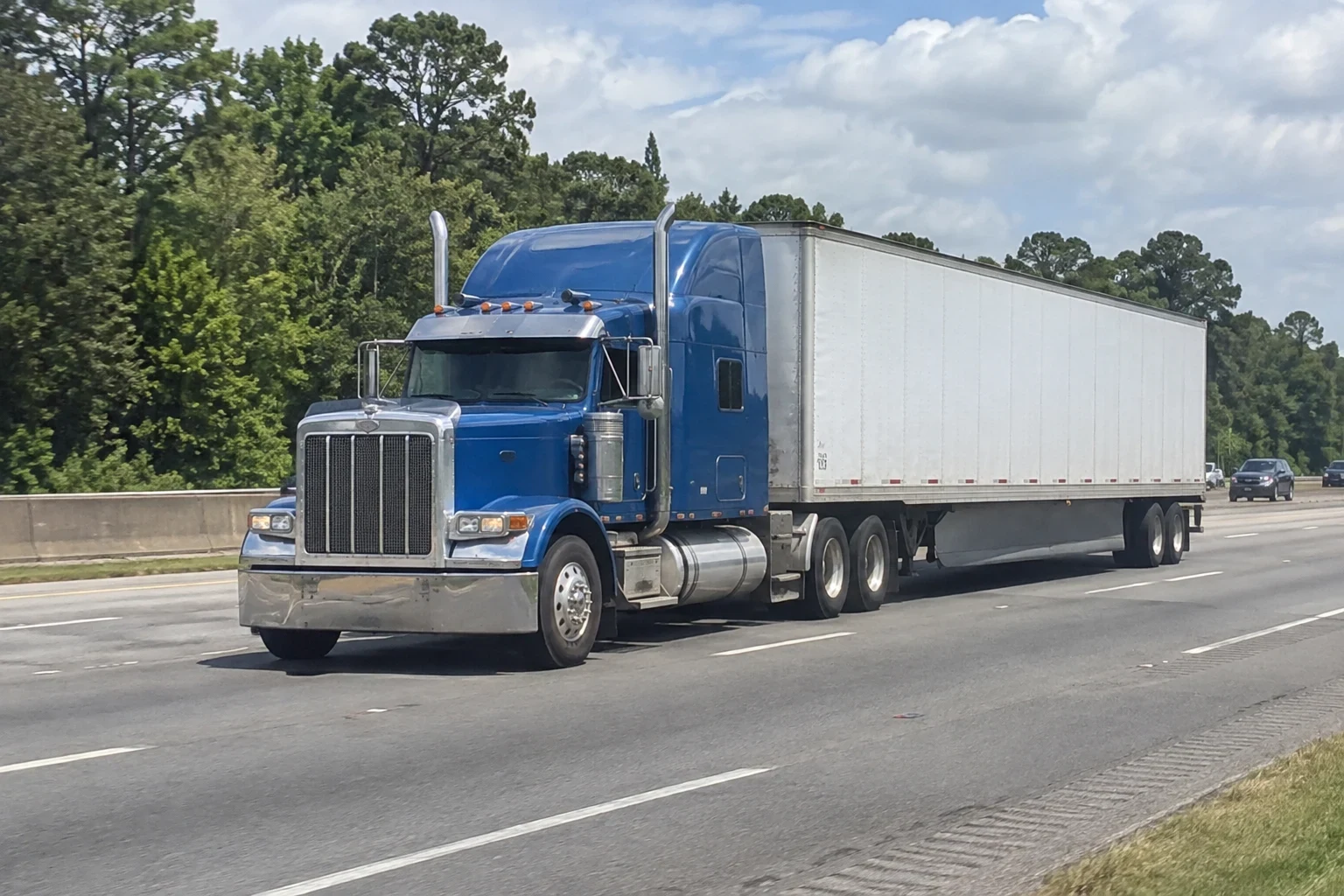
What primary auto liability covers, and why it comes first
If your truck rear-ends a car or clips a guardrail, primary auto liability pays the other party's medical bills, vehicle repairs and legal defense, up to your policy limit. It does not repair your own tractor or trailer; that is physical damage insurance. It does not pay for the freight you haul; that is motor truck cargo insurance.
It is called primary because it responds first when you are under dispatch. For-hire interstate carriers must keep it in force and on file with the FMCSA, and the federal minimum depends on what you haul. Most brokers and shippers ask for a higher limit than the minimum, so the limit you carry often decides which loads you can book.
Our approach is simple: short answers about what a policy covers, what it excludes and why the premium lands where it does.
What we set up for you
- Limit selection
- We compare the federal minimum for your commodity with what your brokers and shippers actually require. Then we quote the limit that keeps you eligible for the freight you run.
- BMC-91X filing
- We file proof of coverage with the FMCSA under your DOT number and MC authority. Without that filing, your authority can't go active or stay active.
- MCS-90 endorsement
- Interstate carriers need this endorsement on the policy. We confirm it is attached and explain what it means for you after a claim.
- Certificates of insurance
- Brokers want a certificate before they tender a load. We issue them with your correct business name, policy dates and limits, and we add certificate holders as you take on new customers.
- Scheduled units and drivers
- Every power unit is listed by VIN and every driver is reviewed. If a truck or driver is missing from the policy, that gap can surface after a crash.
- Coordination with your other lines
- Liability usually sits beside physical damage and cargo coverage. We line up the effective dates so you don't have a week where one line has lapsed.
When it is time to call about liability coverage
You just got your MC number
Your authority stays pending until an insurer files proof of liability coverage. New authority truck insurance starts here.
You are leaving a lease-on
Under a lease, the carrier's liability covered you while dispatched. Running under your own authority means you need your own primary policy.
A broker asked for a higher limit
If loads are going to other carriers because your limit is too low, the fix is a policy change, not a new truck.
You received a cancellation notice
When a policy cancels, the insurer notifies the FMCSA and your authority can be revoked. Replacement coverage has to be filed before that date.
Your renewal premium jumped
A higher renewal usually comes from a claim, a driver violation or a market change. We can tell you which one and what your options are.
How a liability quote works with us
- 1
A phone or video call
We ask about your operation: what you haul, how far you run, and where the trucks are garaged. Most carriers along the I-20 corridor run a mix of local and regional lanes, and radius changes the rating.
- 2
Gathering the documents
We need your DOT number, VINs, each driver's CDL number and date of birth, and loss runs from any prior insurer. New ventures without loss runs are still quoted, just from fewer markets.
- 3
Comparing markets
We take your file to the insurers that write your type of truck and commodity. Then we walk you through each quote line by line, including the deductible, exclusions and the payment schedule.
- 4
Binding and filing
Once you choose, we bind the policy, file proof of coverage with the FMCSA and send certificates to your brokers. We tell you when the filing should show as active so you can check it yourself.
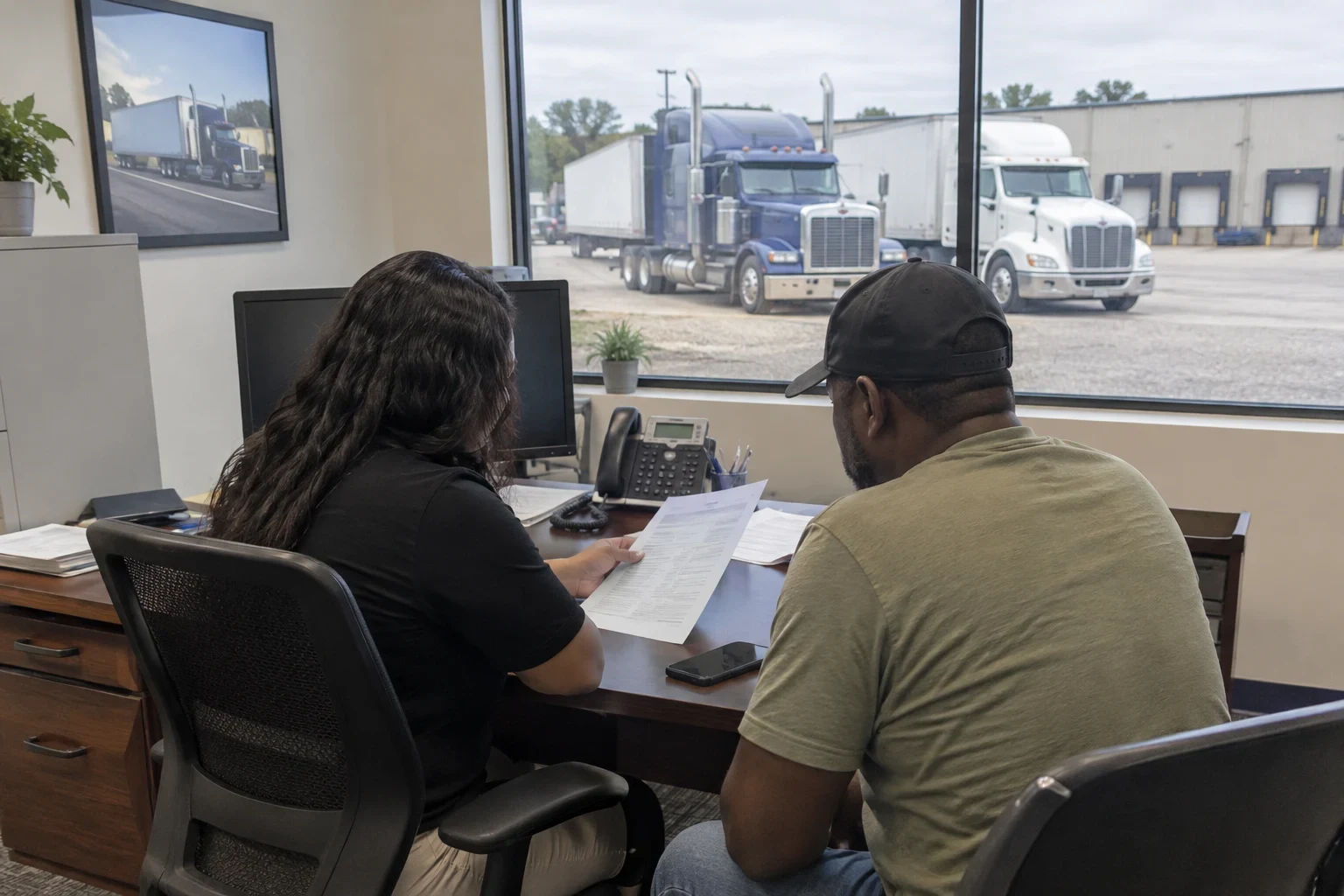
What drives your liability premium
Liability is usually the largest part of a trucking insurance bill, because it covers the most expensive outcome: injuring someone else. Insurers price it on how likely a claim is and how severe it could be. Here are the factors that move it most.
- Driver records and experience
- Moving violations, at-fault accidents and years of verifiable commercial driving weigh heavily. One driver with a poor record can raise the rate on the whole policy.
- Commodity and limit
- Hazmat, heavy machinery or high-value freight carries a higher required limit and more risk, so it costs more than general dry van freight.
- Radius and garaging location
- Long-haul miles and dense metro traffic both raise exposure. Where the truck parks overnight also affects the rate.
- Time under authority
- Carriers in their first year or two pay more because there is no loss history to price from. Rates often ease after a clean renewal or two.
- Safety scores and loss runs
- Your FMCSA inspection results and past claims show insurers how the operation actually runs. A clean record gives you more markets to choose from.
Primary auto liability questions
Something not covered here? (770) 763-7523
Does primary auto liability cover my truck if I cause the wreck?
No. It pays for the other party's injuries and property. Repairs to your own tractor and trailer need physical damage coverage, which we can quote at the same time.
What is the difference between this and bobtail coverage?
Primary liability covers you while you are under dispatch for your own authority. Non-trucking liability, or bobtail, is for leased owner-operators driving off dispatch, when the motor carrier's policy doesn't apply. If you run under your own MC authority, you need primary liability.
How long does the FMCSA filing take?
We file it with the FMCSA as soon as the policy is bound, and it typically shows on the federal system within a few business days. We'll tell you what to look for so you can confirm it before you book loads.
Do I need this if I only haul within Georgia?
For-hire carriers running only intrastate can face state filing requirements instead of, or in addition to, federal ones. We'll ask how your trucks run and tell you which filings apply.
Can I lower my premium by raising the deductible?
Sometimes, but the effect on liability is usually smaller than on physical damage. Clean driver records, an accurate radius and a steady claims history do more over time. We'll show you the tradeoff on each quote.
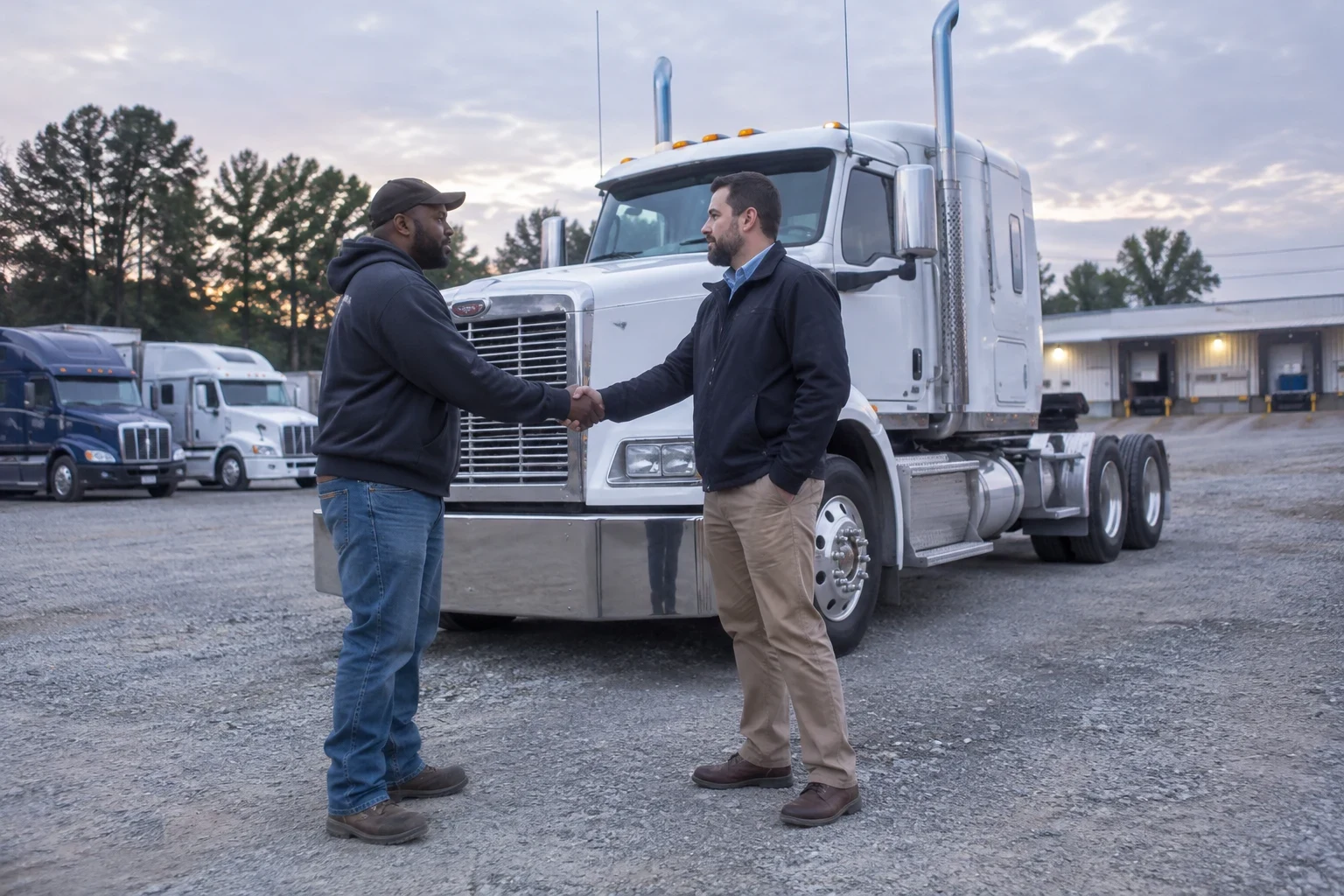
Get your liability coverage in place and filed
Have your DOT number and VINs ready, and we'll go through limits, filings and what drives the premium. Our office serves carriers in Lithia Springs, Douglasville, Austell and the rest of the west metro.