ServicesNon-Trucking Liability (Bobtail)
Non-Trucking Liability (Bobtail) Insurance in Lithia Springs
If you are leased onto a motor carrier, their policy covers you while you run their loads. It usually stops when you are off dispatch. We write non-trucking liability that fills that gap and matches the limit and wording your lease asks for.
What Non-Trucking Liability Covers, and When You Need It
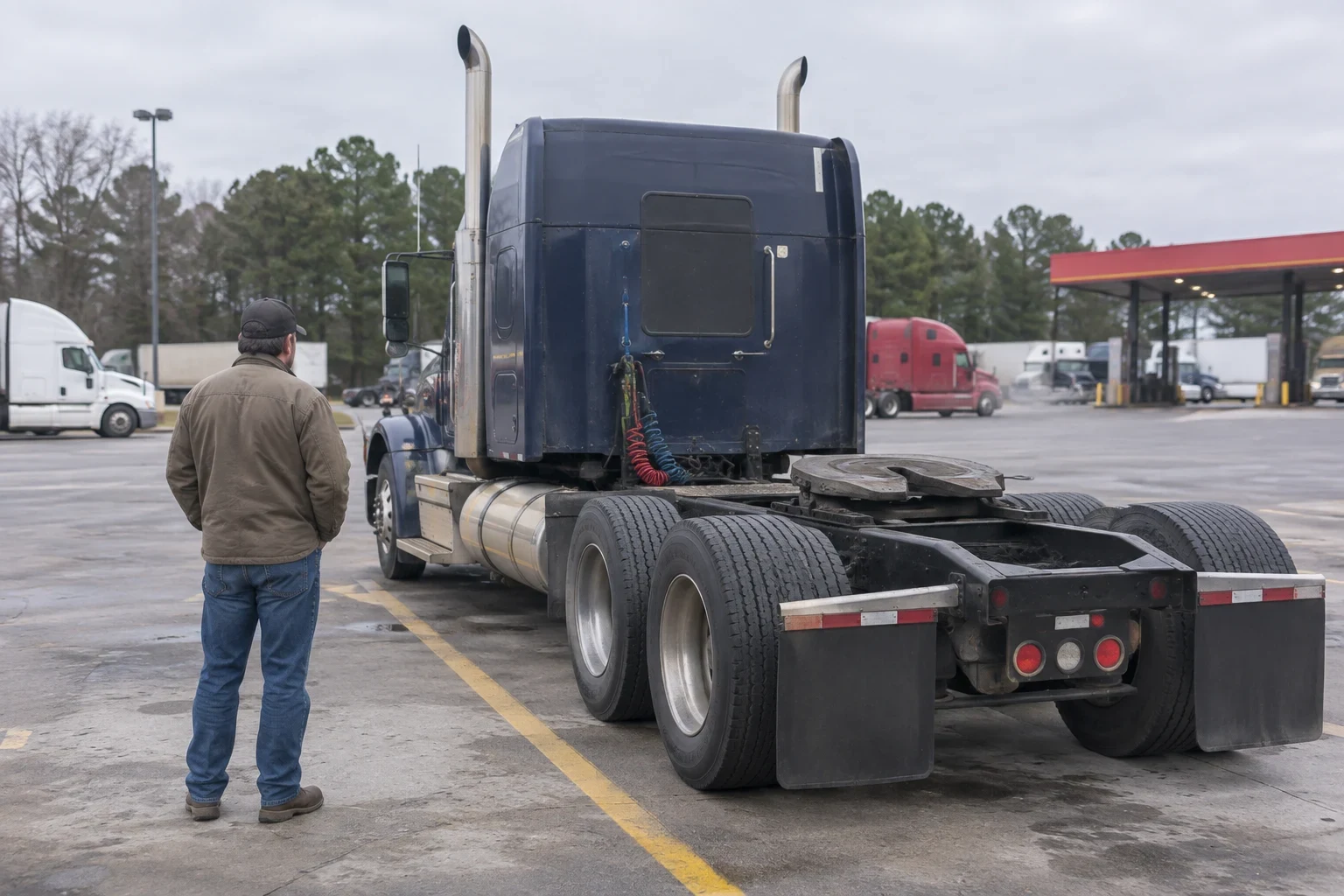
Non-trucking liability pays for injury or property damage you cause to others while driving your truck for non-business reasons. Think driving home after a run, taking the tractor to the shop on your own time, or a weekend when you are not under the carrier's dispatch. The motor carrier you are leased to carries primary auto liability for the time you are working for them. Non-trucking liability picks up the hours their policy does not.
People call it bobtail insurance, but the two terms are not always the same thing. A true bobtail form covers the tractor without a trailer, sometimes even while under dispatch. A non-trucking form covers any time the truck is not in business use, with or without a trailer attached. The difference matters at claim time, so we tell you which form you are getting and read it against your lease before you sign.
It is the right call for owner-operators leased to a carrier. If you run under your own MC authority, you need primary liability instead, and we cover that on our Primary Auto Liability Insurance and Owner-Operator Truck Insurance pages.
What We Handle on a Bobtail Policy
- Lease agreement review
- We read the insurance section of your lease. Most carriers name a minimum limit, require them to be listed on the certificate, and spell out when their coverage ends. We quote to those terms, not a guess.
- Form selection
- We explain whether the policy is written as non-trucking or bobtail, and what the business-use exclusion says. That exclusion is the line insurers use to decide whether your claim belongs on their policy or the carrier's.
- Certificate of insurance
- Once the policy is bound, we issue the certificate of insurance with the carrier shown as certificate holder, or added to the policy by endorsement if the lease calls for that. If you switch carriers, we update it.
- Pairing with physical damage
- Non-trucking liability does not pay to fix your own tractor. If your truck is financed or you want it covered, we can quote Physical Damage Insurance alongside it so the two policies line up.
- Renewal check
- Before renewal we confirm the lease terms have not changed and recheck your driving record, so the policy still fits the carrier you are running for.
Signs You Need Non-Trucking Liability Now
Your carrier asked for proof
Most lease agreements require the owner-operator to carry non-trucking liability before the first dispatch. If the carrier's safety department is waiting on a certificate, you need the policy bound first.
You are signing a new lease
Moving to a new carrier can mean a different required limit or a new certificate holder. An old policy may not satisfy the new contract.
You take the truck home
If the tractor goes home with you between runs, the miles to and from the yard and any personal trips usually fall outside the carrier's policy.
You are not sure what the carrier covers
If nobody has shown you where the carrier's coverage ends, ask. That gap is exactly what this policy exists to close.
You just got your own authority
Once you leave a lease and run under your own MC authority, non-trucking liability no longer fits. You need primary liability, and the bobtail policy should be canceled so you are not paying for coverage you cannot use.
How Getting Covered Works
- 1
A phone call
Call us and tell us who you are leased to, what you drive and where the truck is parked. Have your lease agreement handy if you can, or send the insurance page when we ask.
- 2
Driver and truck details
We need your CDL information, the VIN, the year and make of the tractor, and your driving history. Insurers pull your MVR, so it helps to tell us about any tickets or accidents up front.
- 3
Quote and explanation
We bring back a quote and walk through the form, the limit and the exclusions in plain terms. You know what triggers coverage and what does not before you pay anything.
- 4
Binding and certificate
When you approve, we bind the policy and send the certificate of insurance to the carrier. Many owner-operators in Lithia Springs, Austell and Douglasville handle the whole thing by phone or video without visiting our office.
What Moves the Premium
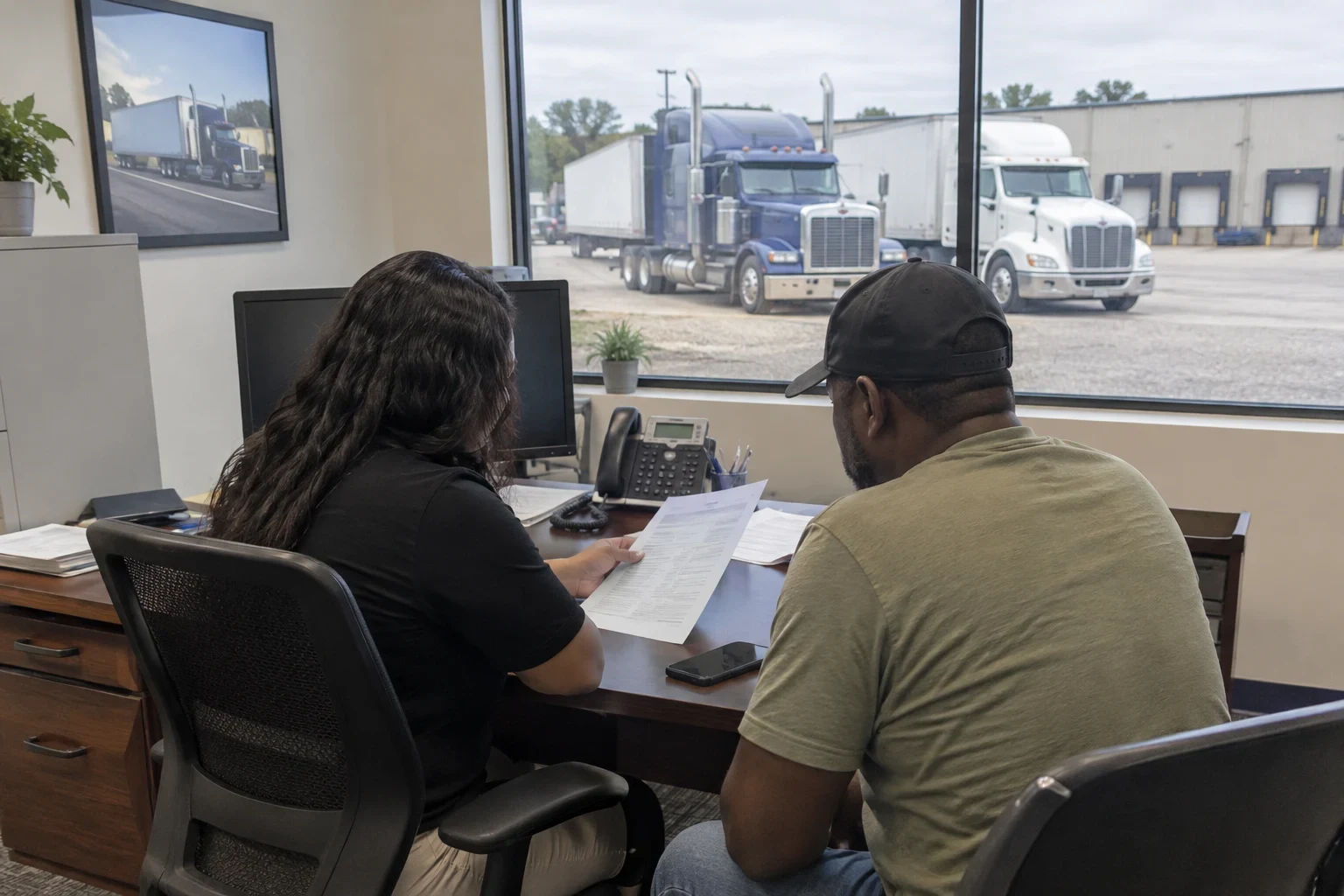
Non-trucking liability is usually one of the smaller line items in a trucking insurance program, because it only covers off-dispatch time. Still, the premium varies from driver to driver. These are the main reasons.
- Required limit
- The limit in your lease agreement sets the floor. A higher required limit means a higher premium.
- Driving record
- Moving violations, at-fault accidents and CDL experience all show up on your MVR. A clean record with a few years behind the wheel prices better than a new CDL holder.
- Garaging location
- Where the truck is parked overnight affects rates. Insurers rate by area, so a truck kept near a dense corridor can price differently than one parked in a rural lot.
- Type of truck
- A day cab, a sleeper tractor and a straight truck are rated differently. The unit's use and size tell the insurer how much exposure it carries.
- Form and wording
- A true bobtail form that responds under dispatch costs differently than a strict non-trucking form. We show you both when your lease allows either.
Non-Trucking Liability Questions
Something not covered here? (770) 763-7523
Does bobtail insurance cover me while I deadhead to pick up a load?
Usually no. Driving empty to a pickup that the carrier dispatched you to is business use, so it falls under the carrier's primary liability. Non-trucking liability is for trips with no business purpose. We point to the exact exclusion wording so you know where the line sits.
Will this policy pay to repair my truck after an accident?
No. Non-trucking liability only pays for damage or injuries you cause to other people and their property. Repairs to your own tractor need physical damage coverage, which is a separate policy we can quote at the same time.
Can I keep my non-trucking policy if I get my own MC authority?
No. Once you run under your own authority, you need primary auto liability, and the non-trucking policy will not respond to loaded or dispatched miles. Call us before your authority goes active so the switch happens without a gap.
My carrier offers to deduct non-trucking coverage from my settlement. Should I take it?
Sometimes that works fine. Ask the carrier for the policy details: the limit, the form and whose name the policy is written in. If you leave that carrier, their program goes with them, while a policy in your own name can move with you to the next lease.
How fast can I get a certificate to my carrier?
It depends on how quickly the insurer approves the application and how complete your information is. Having your VIN, CDL details and the lease's insurance page ready when you call keeps things moving.
Close the Off-Dispatch Gap
Tell us who you are leased to and what your lease requires. We will quote non-trucking liability that fits it and explain exactly when it applies.