ServicesDump & Construction Truck
Dump Truck and Construction Truck Insurance in Lithia Springs
Dump trucks and construction trucks carry risks a van trailer never sees: hoists, rough job sites, heavy aggregate and contracts with strict insurance terms. We explain what each coverage does and what moves your premium. Then we quote the policy your operation actually needs.
What this coverage protects and why it is priced differently
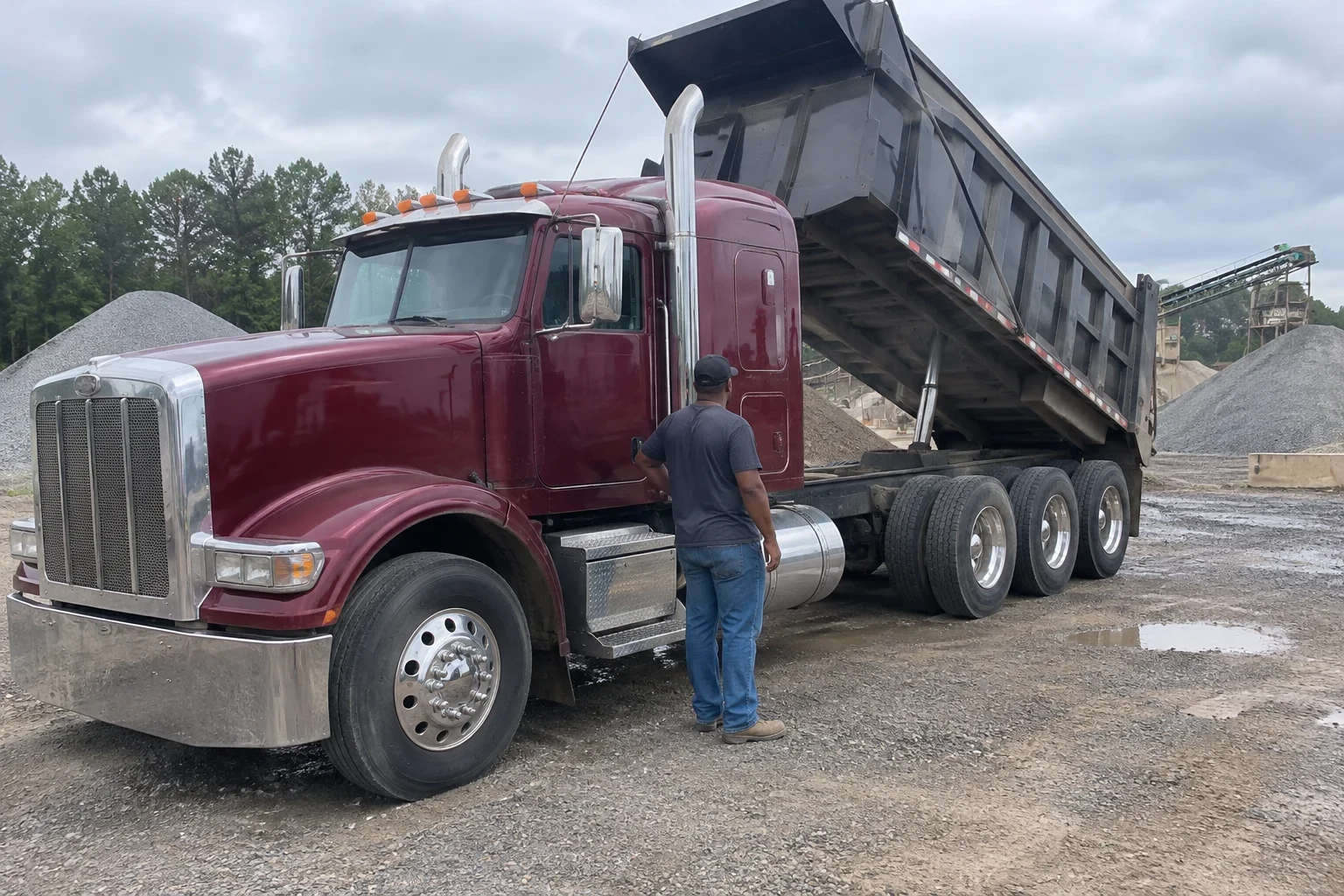
A loaded tri-axle hauling gravel can weigh close to 80,000 pounds and spends much of its day on unpaved haul roads, in and out of quarries and backing across active sites. Underwriters price that exposure separately from long-haul freight. Short trips mean more stops, more backing and more time around workers and other equipment, and claims history across the dump class reflects it.
A typical dump or construction truck program combines primary auto liability, physical damage on the truck and body, and general liability for work at the site. Cargo coverage plays a smaller role, because sand, dirt and crushed stone carry little value per load. We sort out which pieces you need based on what you haul, where you haul it and who you haul it for.
What a dump truck policy usually includes
- Primary auto liability
- Pays for injury and property damage to others when your truck is at fault. It is the coverage tied to your DOT number, and any required filings come from this policy. Our Primary Auto Liability Insurance page explains the limits in more detail.
- Physical damage on the chassis and body
- Covers collision, rollover, fire and theft for the truck itself. The dump body, hoist cylinder and tailgate should be listed in the stated value, since a steel or aluminum body can be a large share of what the unit is worth.
- General liability for site work
- Auto liability covers the truck on the road. General liability addresses damage caused while working, such as cracking a customer's driveway while dumping or spreading material onto the wrong property. Most general contractors will ask for it before you start.
- Certificates and contract endorsements
- Contractors commonly require an endorsement that names them on your liability policy, a waiver of subrogation and specific limits on your certificate of insurance. We set the endorsements up so the certificate matches the contract language.
- Cargo coverage when it matters
- If you haul higher-value loads such as asphalt mix, equipment or materials a shipper insists be covered, we can add motor truck cargo with the right commodity listed.
Signs your current dump truck coverage needs a second look
A contractor rejected your certificate
If a GC sent back your certificate because it did not name them on the policy or showed low limits, the policy itself likely needs an endorsement, not just a new form.
Your stated value is years old
Truck and dump body values have moved. If the value on your policy was set at the purchase price long ago, a total loss could pay far less than replacing the unit costs today.
You started hauling farther
Most dump policies are rated on a radius. Taking runs past that radius, or crossing state lines, can leave you outside what the policy was written for.
You added a different body type
Moving from a tandem to an end dump, belly dump or roll-off changes the rollover and loading exposure. The company writing your policy needs to know the unit type to cover it correctly.
How we put your quote together
- 1
Talk through your operation
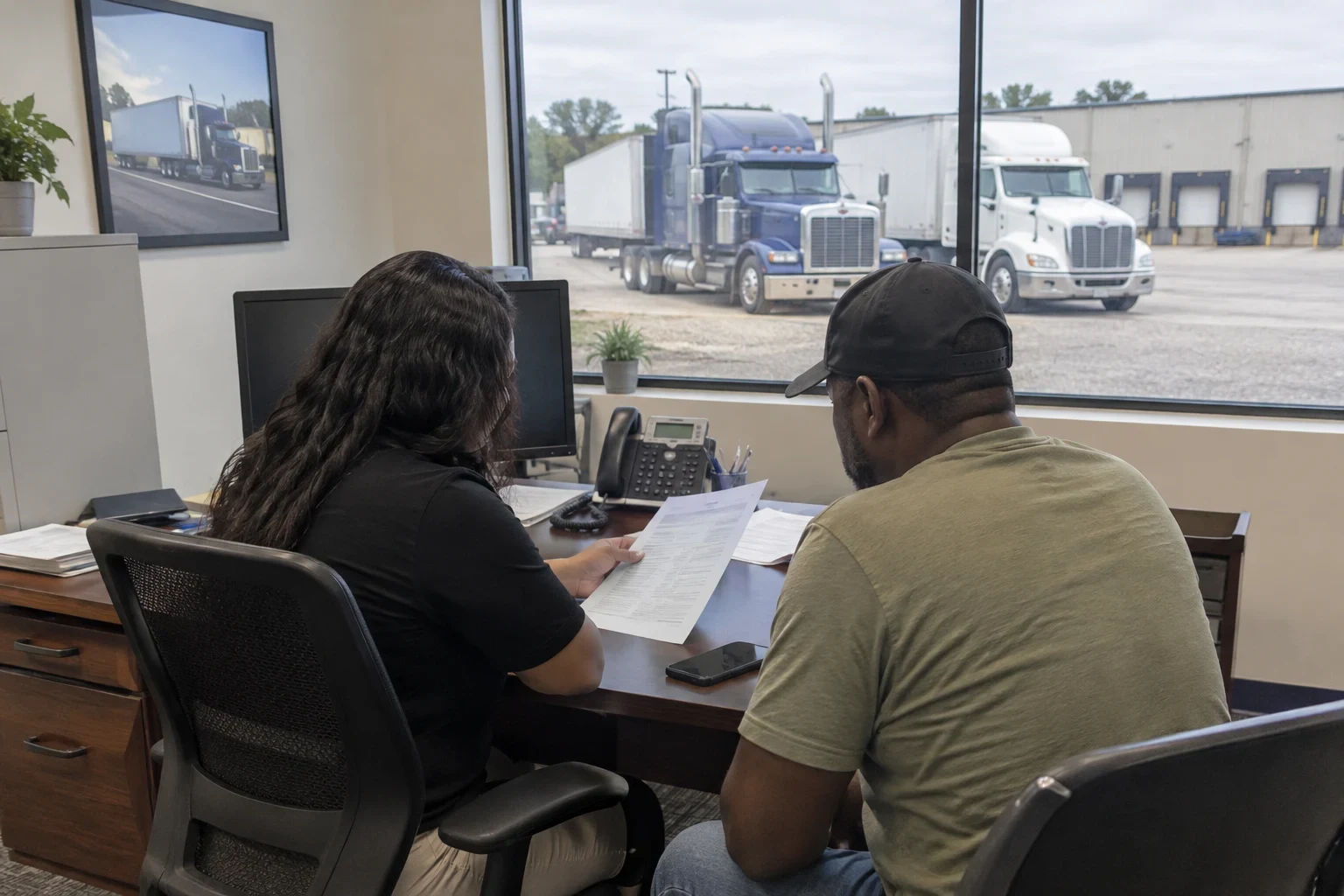
By phone, video or at our office, we ask what you haul, your usual radius, your drivers' experience and whether you work under your own authority or lease to another carrier.
- 2
Gather the unit details
We collect VINs, body type, stated values, garaging location and loss runs from your current carrier. Loss runs matter most, since underwriters lean on them heavily for dump risks.
- 3
Compare options line by line
We show what each policy includes, the deductibles and the limits, and point out exclusions such as hoist-related or off-road restrictions before you choose.
- 4
Bind, file and issue certificates
Once you pick a policy, we bind it, handle any required filings and issue certificates of insurance to the contractors and quarries you work with.
What drives the premium on dump and construction trucks
Dump truck premiums depend on a short list of factors, and most of them you can see on your own paperwork. We walk through each one so you know why a quote landed where it did. If a factor can be improved, we tell you how.
- Driver age and record
- Years of CDL experience, recent violations and any at-fault accidents carry more weight than nearly anything else. One driver with a bad MVR can raise the rate for the whole operation.
- Radius and type of hauling
- Local aggregate work within a short radius rates differently from intrastate or interstate runs. Hauling for hire versus moving your own company's materials also changes the class.
- Stated value and body type
- Higher-value units and specialty bodies cost more to insure for physical damage. Choosing a higher deductible lowers that portion of the premium.
- Loss history
- Three to five years of clean loss runs open up more carriers and better terms. Recent claims, especially rollovers, narrow the market.
- Liability limits required by contracts
- Some jobs call for higher limits or an umbrella. Higher limits cost more, so we match them to what your contracts actually require.
Dump truck insurance questions we hear often
Something not covered here? (770) 763-7523
Does physical damage cover my hoist and dump body?
It can, if they are included in the stated value of the unit. Many policies treat the body as part of the truck, but the value has to reflect it. We check that the number on the policy covers the chassis and the body together.
Do I need general liability if I already carry auto liability?
Usually yes. Auto liability responds to accidents involving the truck as a vehicle. Damage you cause while working at a site, such as dumping material onto the wrong spot, often falls under general liability, and most contractors require it in writing.
Do I need cargo coverage for hauling dirt and gravel?
Often not, since the load value is low and many shippers do not ask for it. If you haul asphalt, equipment or anything a customer requires cargo coverage for, we add it with the commodity listed so a claim is not denied over the load type.
Can I insure a truck that sits idle during slow months?
Some carriers allow reduced coverage while a unit is parked, keeping comprehensive for fire and theft while liability is suspended. Rules vary by insurer and by your filings, so we confirm what is allowed before you park the truck.
I am starting a new dump truck business. Can I still get coverage?
Yes, though new ventures face fewer carrier options and higher rates for the first few years. Prior CDL experience and a clean driving record help considerably. Our New Authority Truck Insurance page covers what underwriters look for.
Get your dump truck coverage sorted out
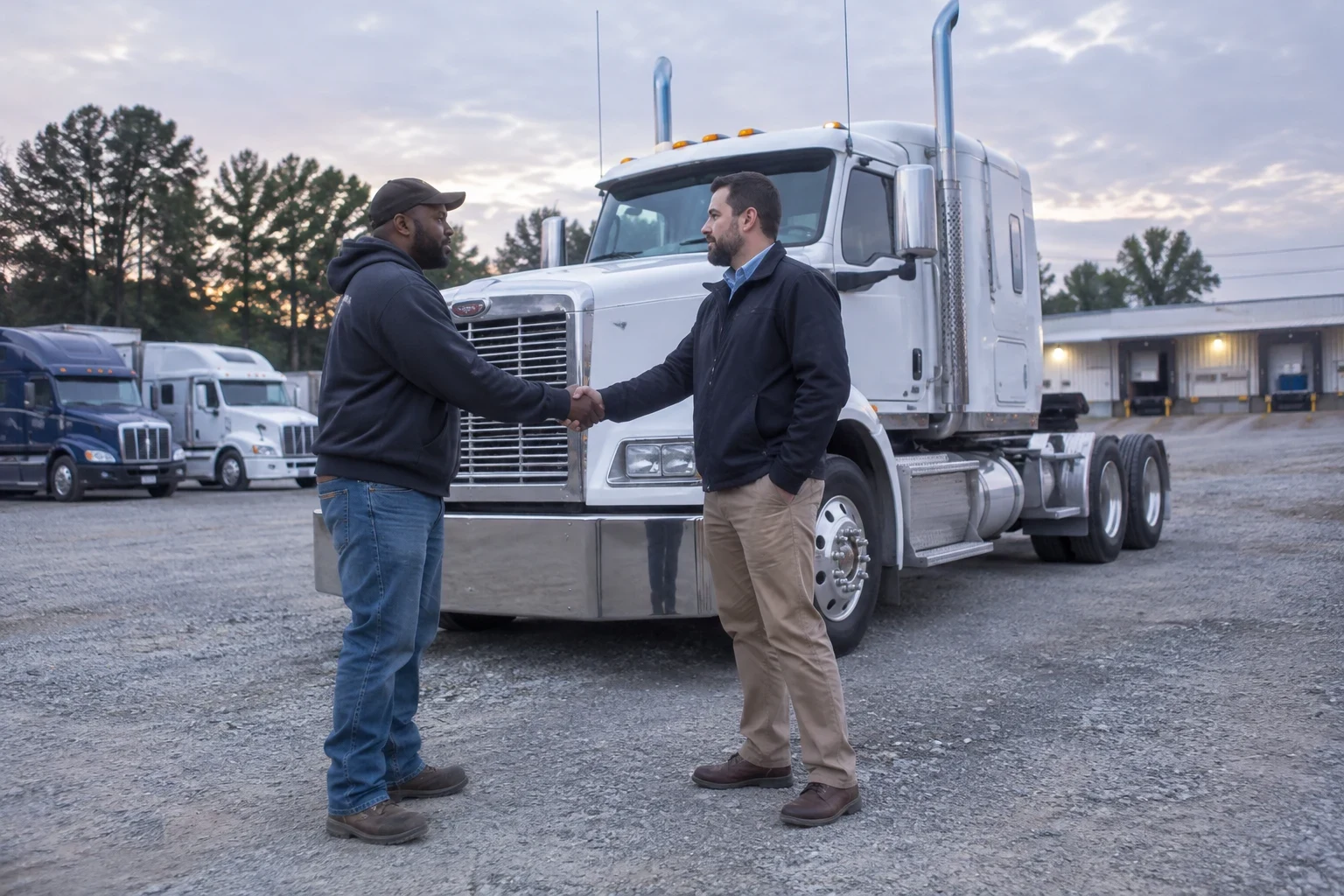
Have your VINs, body types and recent loss runs nearby, and we will go through the options with you. You will know what each policy covers and why it costs what it does.