ServicesCommercial Trucking Insurance
Commercial Trucking Insurance in Lithia Springs
We put together the coverage your trucks need to run legally and get loaded: auto liability, physical damage, cargo and the federal and state filings behind them. We explain what each line does, why it costs what it costs and which options actually fit your operation.
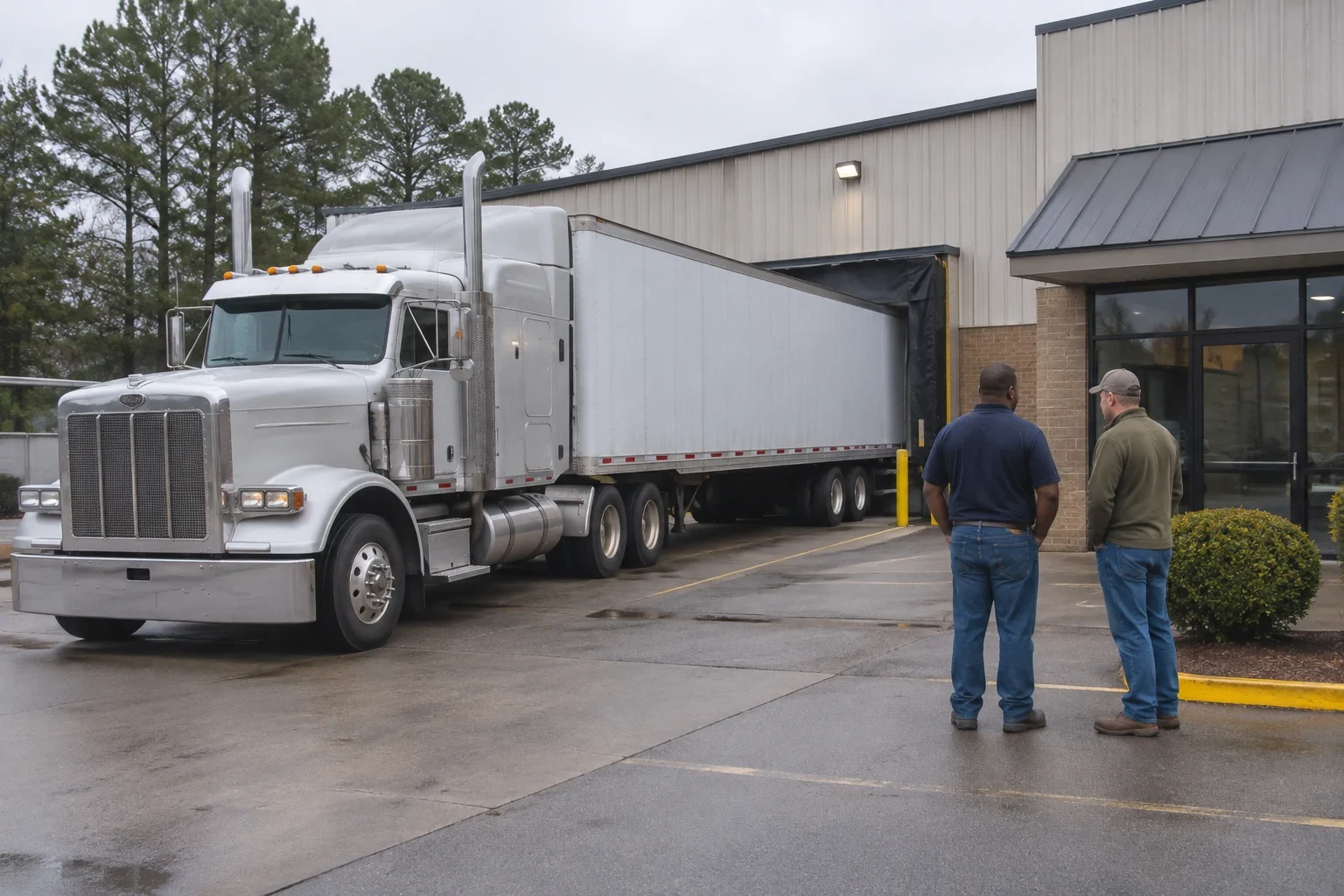
What commercial trucking insurance covers
Commercial trucking insurance is not one policy. It is a set of coverages that work together. Primary auto liability pays for injuries and damage you cause to others, and it is the piece the FMCSA requires before your MC authority goes active. Physical damage covers your own truck and trailer. Motor truck cargo coverage protects the freight you haul, and it is usually what a broker checks first.
Around those core lines sit the add-ons that depend on how you run: trailer interchange, non-trucking liability for leased owner-operators, general liability for your yard or shop, and occupational accident for drivers who are not on workers' comp. We look at your equipment, your freight and your contracts, then tell you plainly which lines you need and which ones you can skip.
What we set up for you
Primary auto liability
Bodily injury and property damage coverage at the limit your authority and your contracts require. We also confirm the MCS-90 endorsement is attached, since federal rules require it on for-hire interstate policies.
Physical damage on your units
Collision and comprehensive coverage on tractors, straight trucks and trailers, written at a stated value. We help you set that value close to what the unit is really worth so a total loss does not leave you short.
Cargo coverage matched to your freight
We read the exclusions that matter for what you haul, such as reefer breakdown, unattended vehicle theft and high-value commodities. A cargo policy that excludes your main commodity is worthless at claim time.
Filings and certificates
We handle the BMC-91X liability filing with the FMCSA and any state filings your operation needs. Once coverage is bound, we issue certificates of insurance to brokers, shippers and lessors.
Optional lines when they apply
Trailer interchange, bobtail, general liability and hired or non-owned auto. We only recommend these when your contracts or your setup actually call for them.
When it is time to look at your trucking coverage
Your new MC authority is waiting on insurance
The FMCSA will not activate your authority until a liability filing is on record. Until then, you cannot legally haul for hire across state lines.
A broker rejected your certificate
Brokers often ask for higher cargo or liability limits than you carry, or want to be listed as certificate holder. A rejected certificate means lost loads until the policy is adjusted.
Your renewal premium jumped
Increases usually trace to a specific cause: a new claim, a driver with violations, a change in your radius or a carrier pulling back from trucking. We find the cause and shop the account on that basis.
You are adding trucks or drivers
Each new unit and driver must be scheduled on the policy before it runs. An unlisted driver can leave a claim unpaid.
You are leaving a lease to run under your own authority
The carrier's liability no longer covers you. You will need your own primary liability, cargo and filings in place before the first load.
How a quote with us works
- 1
Start with a phone call
We ask how you run: what you haul, how far, how many units and who drives. Most of this happens by phone or video, or at our office if you prefer to sit down.
- 2
Gather the details carriers price on
Expect us to ask for your DOT number, MC number, VINs, each driver's CDL details and date of birth, and loss runs from the companies that covered you before, if you have them. Complete information gets a firm quote instead of an estimate that changes later.
- 3
Compare options line by line
We go through limits, deductibles and exclusions with you, not just the bottom-line premium. If a cheaper quote leaves out something your broker requires, we point it out.
- 4
Bind, file and issue certificates
Once you choose, we bind coverage, get the required filings on record with the FMCSA and any state that needs them, and send certificates of insurance where they need to go. Your authority and your contracts can then move forward.
What moves your premium
Trucking premiums are built from risk factors carriers can measure. Some you can change and some you cannot. Here are the ones that carry the most weight, so you know where the number comes from before we quote it.
- Time under authority
- Carriers price new authorities higher because there is no loss history to rate on. Rates typically ease as you build clean years.
- Driver records and experience
- Moving violations, accidents and fewer than two years of commercial driving experience all raise rates. One driver with a poor MVR can affect the whole policy.
- Radius and freight
- Long-haul routes and high-value or hazardous loads cost more to insure than local runs with general freight. Garaging location matters too, and metro Atlanta traffic density is part of how carriers rate units kept around Lithia Springs.
- Equipment value and deductibles
- Higher stated values raise physical damage premium. Choosing a higher deductible lowers it, but only makes sense if you can cover that amount after a loss.
- Safety scores and loss runs
- CSA scores, inspection results and prior claims all show up in underwriting. A clean inspection history helps your quote.
Commercial trucking insurance questions
Something not covered here? (770) 763-7523
What coverage do I legally need to run under my own authority?
For interstate for-hire hauling, the FMCSA requires primary auto liability with a filing on record before your MC authority activates. Cargo and physical damage are not federal requirements, but brokers, shippers and lenders usually require them. Intrastate carriers may also need a state filing.
Why is my quote higher as a new authority?
Carriers have no loss history on a new operation, so they price for the unknown. Driver experience, radius and what you haul then push the number up or down. Clean operation over time is what brings it down.
Can you send a certificate of insurance to my broker?
Yes. Once coverage is in force, we issue certificates to brokers, shippers and lessors. If the contract asks for them to be named on the policy through an endorsement, not just listed as certificate holder, we set that up so the certificate matches what they asked for.
I am leased onto a carrier. Do I still need my own policy?
Usually the carrier provides primary liability while you are under dispatch. You may still need non-trucking liability, physical damage on your truck and sometimes occupational accident. Our Owner-Operator Truck Insurance page covers that setup in more detail.
Do you work with carriers outside Lithia Springs?
Yes. We work with operators in Douglasville, Austell, Mableton, Powder Springs and across the area. Most of the work happens by phone or video, so where your trucks are garaged matters less than getting the details right.
Find out what your trucks really need
Have your DOT number and a list of units and drivers ready. We will walk through each coverage line and explain what drives the premium.