Lithia Springs, GA
Trucking Insurance in Lithia Springs for Owner-Operators and Fleets
We write primary auto liability, motor truck cargo, physical damage and non-trucking liability for owner-operators, new MC authorities, hotshot and box truck operators, dump trucks and small fleets. Carriers running out of Douglasville, Austell and Lithia Springs get a quote that shows what each coverage does and why it costs what it does.
- Filings handled for you
- Line-by-line quote review
- Office, phone or video
- Plain cost explanations
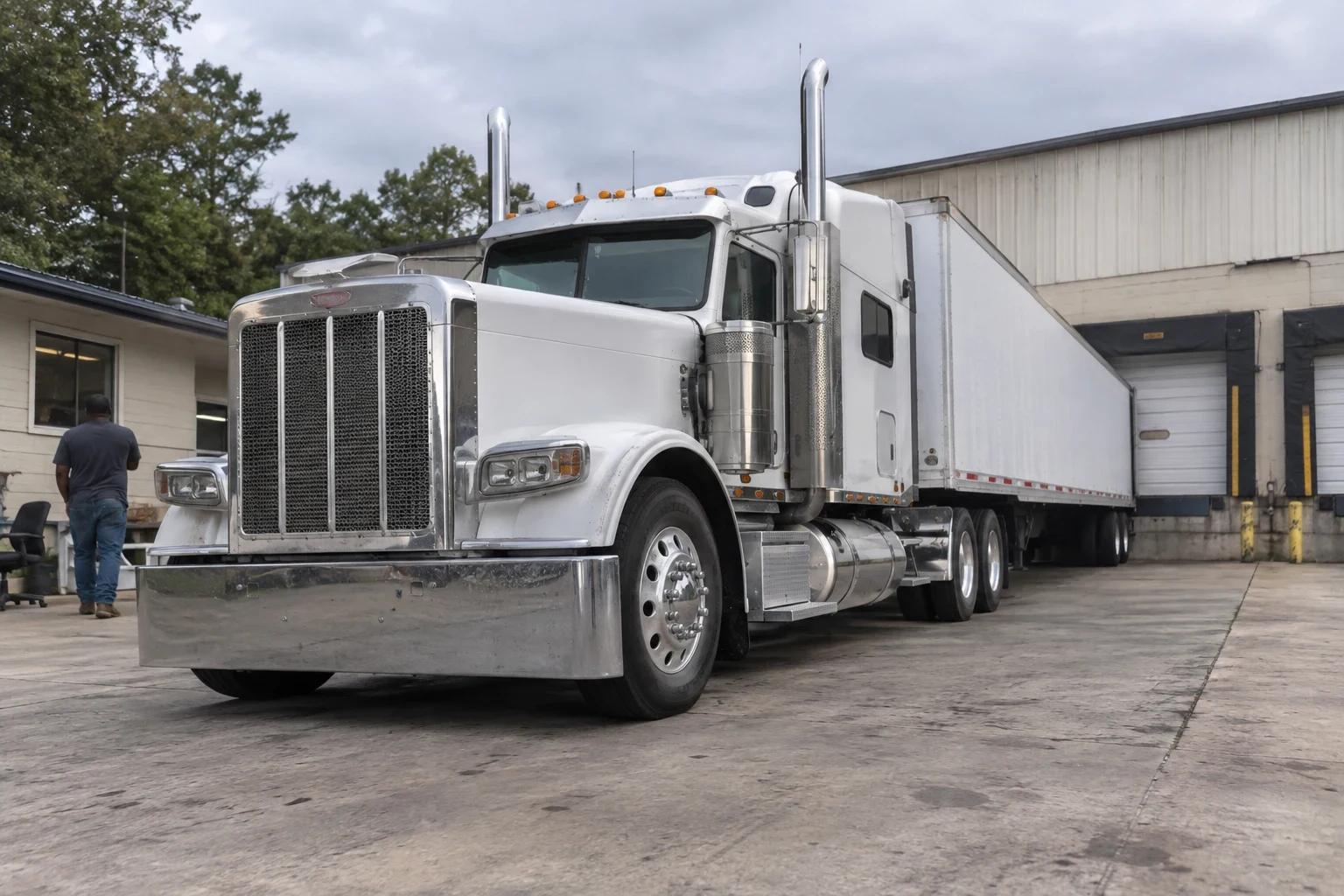
Coverage for Every Kind of Truck Operation
We have been in business 5 years, and we are licensed for property and casualty insurance, which is the license that covers commercial auto and trucking policies. Our work is matching coverage to how your trucks actually run: the commodity, the radius, the equipment and who holds the authority. That means primary auto liability and cargo coverage for a new motor carrier, physical damage on a financed tractor, bobtail coverage for a leased-on owner-operator, or trailer interchange when you pull someone else's trailer. Each service page below explains what that policy pays for and what it leaves out.
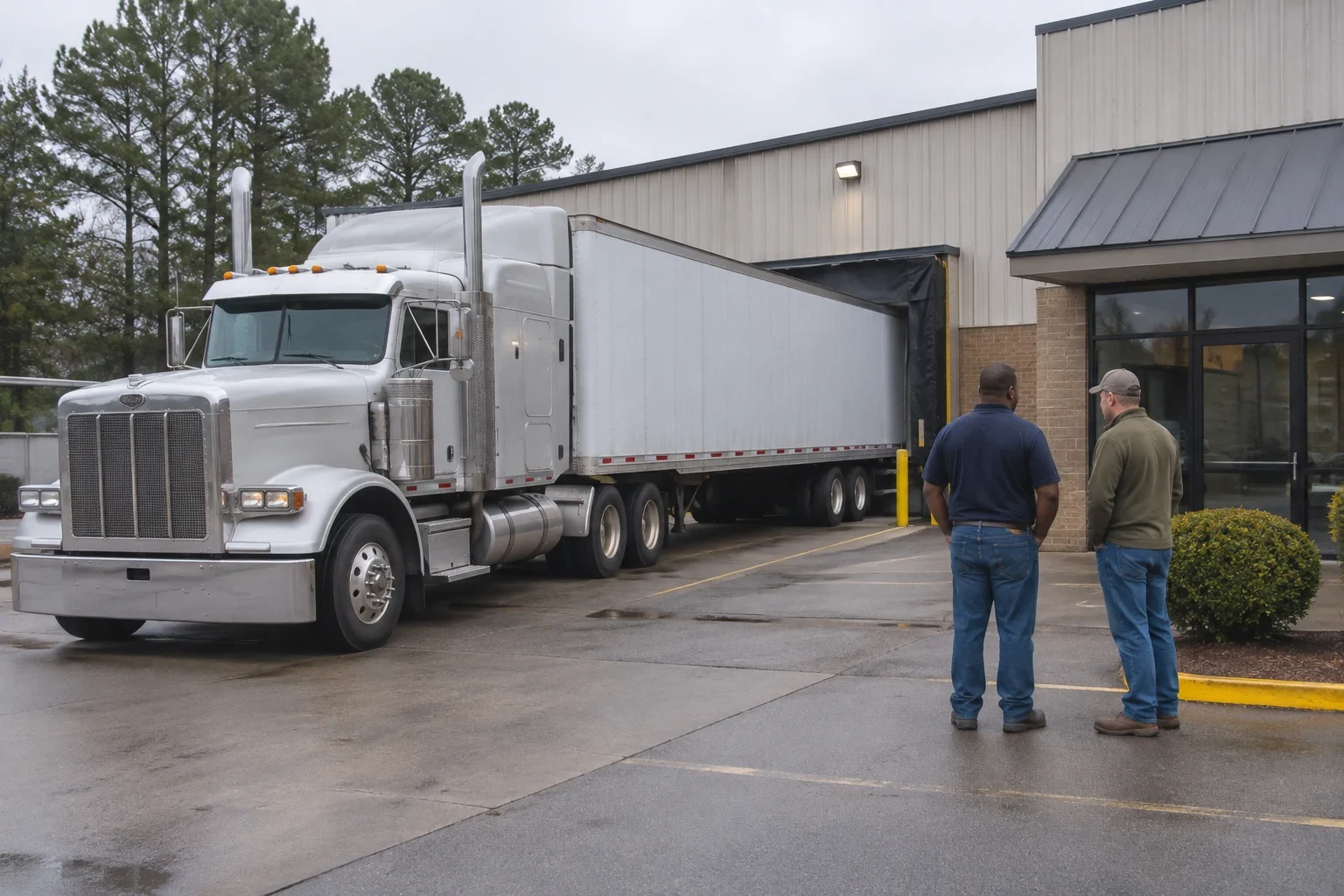
Commercial Trucking Insurance
The full policy package a motor carrier runs on: liability, physical damage, cargo and the filings that keep your MC authority active.
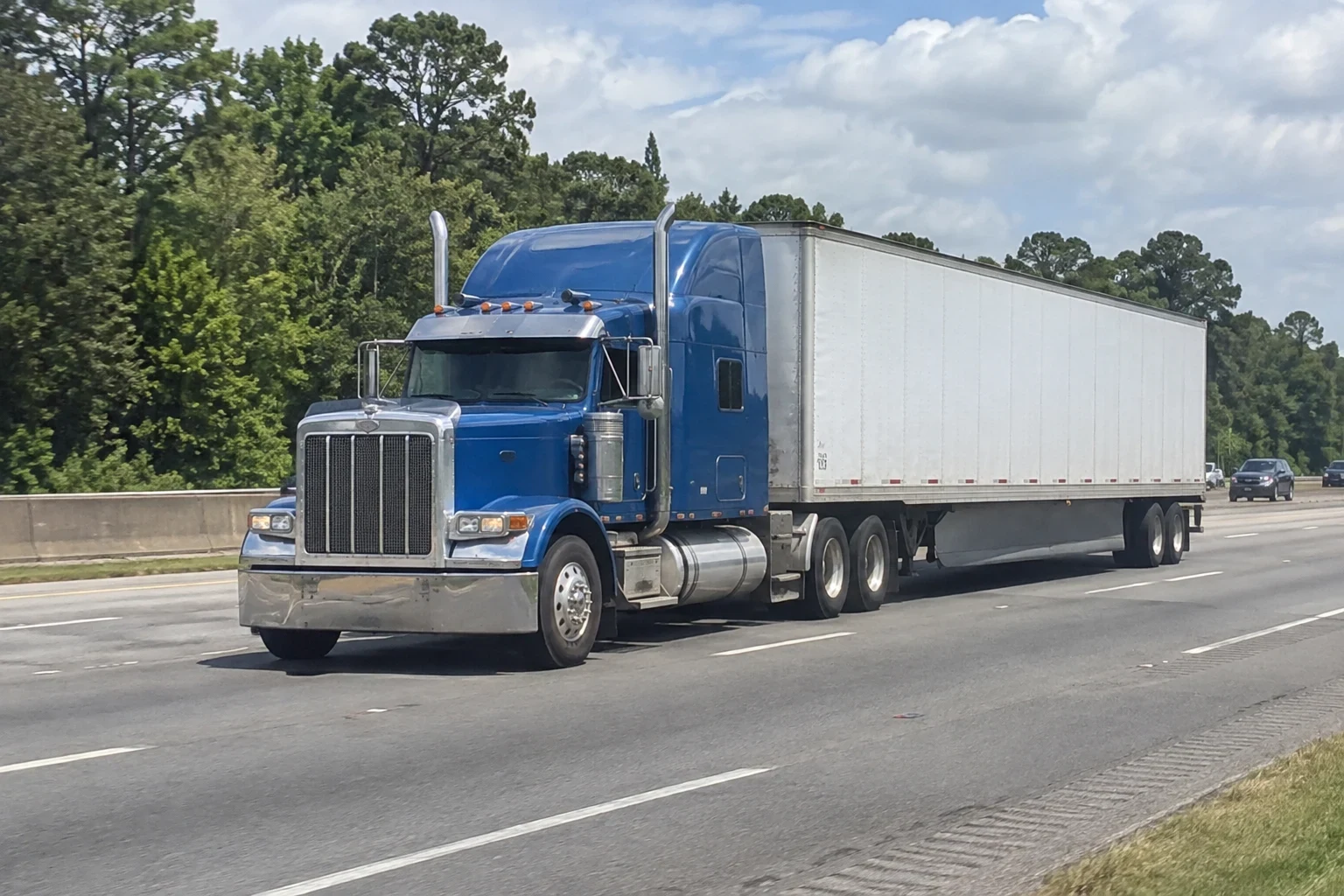
Primary Auto Liability
The coverage that pays for injuries and damage your truck causes to others, written at the limits your authority and brokers require and filed correctly.
Physical Damage Insurance
Collision and comprehensive coverage that pays to repair or replace your own truck and trailer, set at a stated value you choose.
Motor Truck Cargo Insurance
Cargo coverage for the freight on your trailer, with limits and exclusions checked against your broker contracts and the commodities you haul.
Non-Trucking Liability (Bobtail)
Liability coverage for leased owner-operators when the truck is off dispatch, matched to the limits and wording your lease agreement requires.
Trailer Interchange
Physical damage coverage for trailers and chassis you pull under a written interchange agreement, set to the limit that agreement actually requires.
Owner-Operator Insurance
Coverage built around how you actually run: leased onto a carrier or under your own MC authority, with each piece and its cost explained.
New Authority Insurance
Coverage and federal filings for motor carriers in their first years under a new MC authority, quoted by phone with each cost driver explained.
Fleet Truck Insurance
One policy that schedules every truck and driver, keeps your filings current and lets you add units without rewriting coverage.
Dump & Construction Truck
Coverage for tri-axles, tandems, end dumps and other construction trucks, built around your haul radius, your equipment and what your contracts require.
Hotshot Truck Insurance
Coverage for one-ton pickups pulling gooseneck and flatbed trailers, with liability limits brokers accept and cargo limits sized to your freight.
Box Truck Insurance
Liability, cargo and physical damage coverage for 16 to 26 foot straight trucks running final-mile, freight, furniture or contract routes.
Motor Carriers We Serve Around Lithia Springs
We work with trucking operations based in Lithia Springs and across west metro Atlanta, including Douglasville, Austell, Mableton, Powder Springs and Hiram. We also write coverage for carriers in Smyrna, Marietta, South Fulton, East Point and Union City. Because quotes and reviews run by phone and video, your trucks never need to stop for a meeting.
- Lithia Springs
- Mableton
- Douglasville
- Powder Springs
- Austell
- Smyrna
- Hiram
- South Fulton
- Marietta
- East Point
- Union City
Your garaging address is a rating factor, so tell us where the trucks park overnight when you call for a quote.
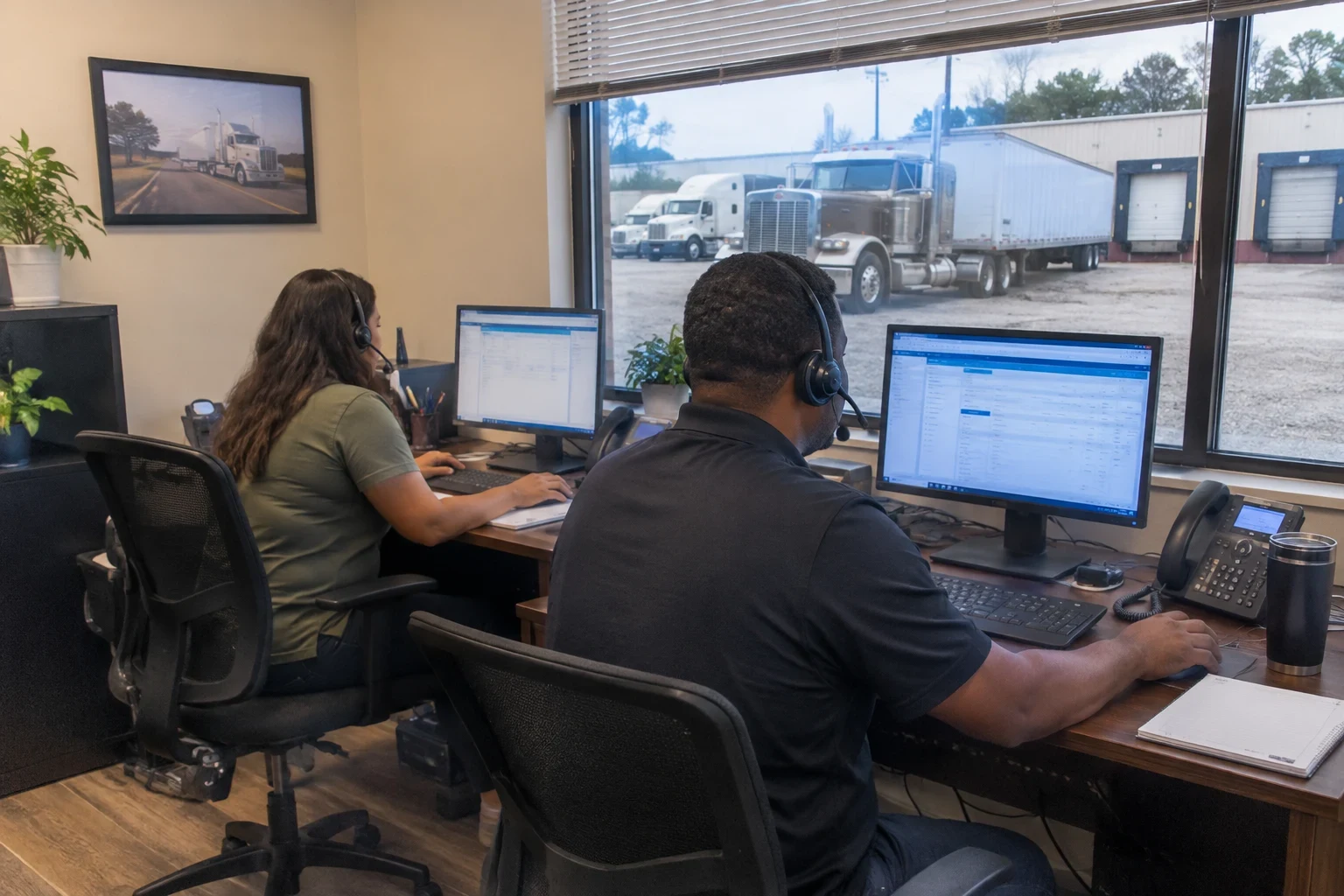
A Trucking Insurance Office Near I-20
We work only with commercial truck operations: owner-operators, small fleets, hotshot and box truck businesses, and dump and construction trucks. That focus means we know the questions brokers ask, the filings FMCSA expects and the exclusions that tend to surface after a claim.
Our approach is simple. You ask a direct question, and we give you a direct answer about why a premium is what it is and what your options are. If a coverage does not fit how you run, we tell you so instead of adding it to the bill.
- License
- Licensed for property and casualty insurance
- In business
- In business 5 years
How We Work With Motor Carriers
Trucking policies are full of exclusions and endorsements that matter only after a claim. We explain them before you sign, so the policy you pay for matches the loads you haul.
- 01
We explain the gaps, not just the premium
A cheap cargo policy that excludes unattended trucks or reefer breakdown can leave you paying for a load yourself. We point out exclusions like these on every quote and tell you what it costs to close them.
- 02
Filings done correctly the first time
Your liability insurer has to file proof of coverage with FMCSA before your MC authority goes active. We make sure the filing names the exact legal entity and DOT number on your authority, because a mismatch is one of the most common reasons an authority stalls.
- 03
Certificates when brokers ask
Brokers and shippers want a certificate of insurance before they release a load, often with themselves listed as certificate holder. Call us with the broker's details and we issue it, so a paperwork delay does not cost you a load.
- 04
Quotes built from your real operation
Radius, commodity, garaging address, driver records and equipment values all change the premium. We ask about each one up front, so the number you hear on the phone is the number that holds when the policy is bound.
What Moves Your Trucking Insurance Premium
No two trucking quotes come out the same, because underwriters price the risk of your specific operation. Here are the factors that carry the most weight. Knowing them helps you see where you have room to change the number.
Every quote we give is built from your driver list, equipment schedule, commodities and loss history. We walk you through each coverage line and its cost on the phone before anything is bound.
- Time under your authority
- Underwriters lean on loss history, and a new MC authority has none. Premiums for new ventures run higher in the first year or two and usually come down once you show clean loss runs at renewal.
- Driver records and experience
- Moving violations, accidents and years of verifiable CDL experience on each driver's MVR weigh heavily. One driver with a recent at-fault accident can raise the premium for the whole fleet.
- What you haul and how far
- Sand and gravel, general freight, refrigerated food and auto hauling each carry different cargo and liability risk. Long-haul radius and higher-theft commodities like electronics push rates up.
- Equipment value and deductibles
- Physical damage premium follows the stated value of your tractor and trailer. A higher deductible lowers the premium, but only makes sense if you can cover that amount out of pocket after a wreck.
- Limits brokers and shippers require
- FMCSA sets a minimum liability limit, yet many brokers ask for higher liability and specific cargo limits before they tender loads. Buying the limits your customers demand, not just the legal minimum, affects price.
- Safety scores and inspections
- CSA scores, out-of-service rates and roadside inspection history are visible to underwriters. Clean inspections help, and repeated maintenance violations count against you.
How Getting Covered Works
Most of this happens by phone or video, and you can also meet with us at our office. Here is the order things go in.
- 1
Tell us about your operation
We ask for your DOT and MC numbers if you have them, driver names and license details, equipment years and values, what you haul and your usual radius. If you are still applying for authority, we start with what you plan to run.
- 2
We shop and compare
We take your information to the insurers that write your class of trucking. Then we lay out the options side by side, with deductibles, limits and exclusions spelled out.
- 3
Review the quote together
We go over each line so you know what liability, cargo and physical damage will and will not pay. You decide which options to keep.
- 4
Bind, file and certify
Once you approve and the down payment is made, the policy is bound and the insurer submits your federal filings. We send certificates of insurance to your brokers and lessors as you need them through the policy term.
Trucking Insurance Questions We Hear Most
- How much does trucking insurance cost?
- It depends on your driver records, time in business, commodity, radius, equipment value and the limits your brokers require. A new authority with one truck pays very differently from an established fleet with clean loss runs. We price your actual operation and explain each line, so you can see which factors you can change.
- What coverage do I need before my MC authority goes active?
- FMCSA requires proof of primary auto liability, filed by your insurer, before your operating authority is activated. Some specialized operations face extra filing requirements, so tell us exactly what you plan to haul. Most brokers will also want motor truck cargo coverage before they give you loads, even though the federal rule does not require it for general freight.
- Why is insurance so expensive for a new authority?
- Insurers price on loss history, and a brand-new motor carrier has no record under its own DOT number. Your personal driving record and CDL experience help, but the authority itself is unproven. Keeping clean inspections and no claims through the first year is the most reliable way to bring the premium down at renewal.
- What is the difference between bobtail and non-trucking liability?
- Both cover an owner-operator leased onto a carrier when the truck is not under dispatch. Non-trucking liability covers personal use with or without a trailer attached, while true bobtail coverage applies only when no trailer is hooked up. Your lease agreement usually says which one the carrier requires, so have it handy when you call.
- Does my liability policy cover damage to my own truck?
- No. Primary auto liability pays for injuries and property damage you cause to others. Damage to your own tractor or trailer from a collision, fire or theft needs physical damage coverage, and lenders require it on financed equipment.
- What information should I have ready for a quote?
- Have your DOT and MC numbers if assigned, plus each driver's name, date of birth and CDL details. Add the year, make and VIN of every truck and trailer. Prior loss runs, your commodities and your typical radius round it out. The more complete the picture, the more accurate the quote.
- Can you send a certificate of insurance to my broker?
- Yes. Once your policy is active, give us the broker's name, address and any certificate holder wording or endorsement they ask for. We issue the certificate and send it to them directly, so the load is not held up waiting on paperwork.
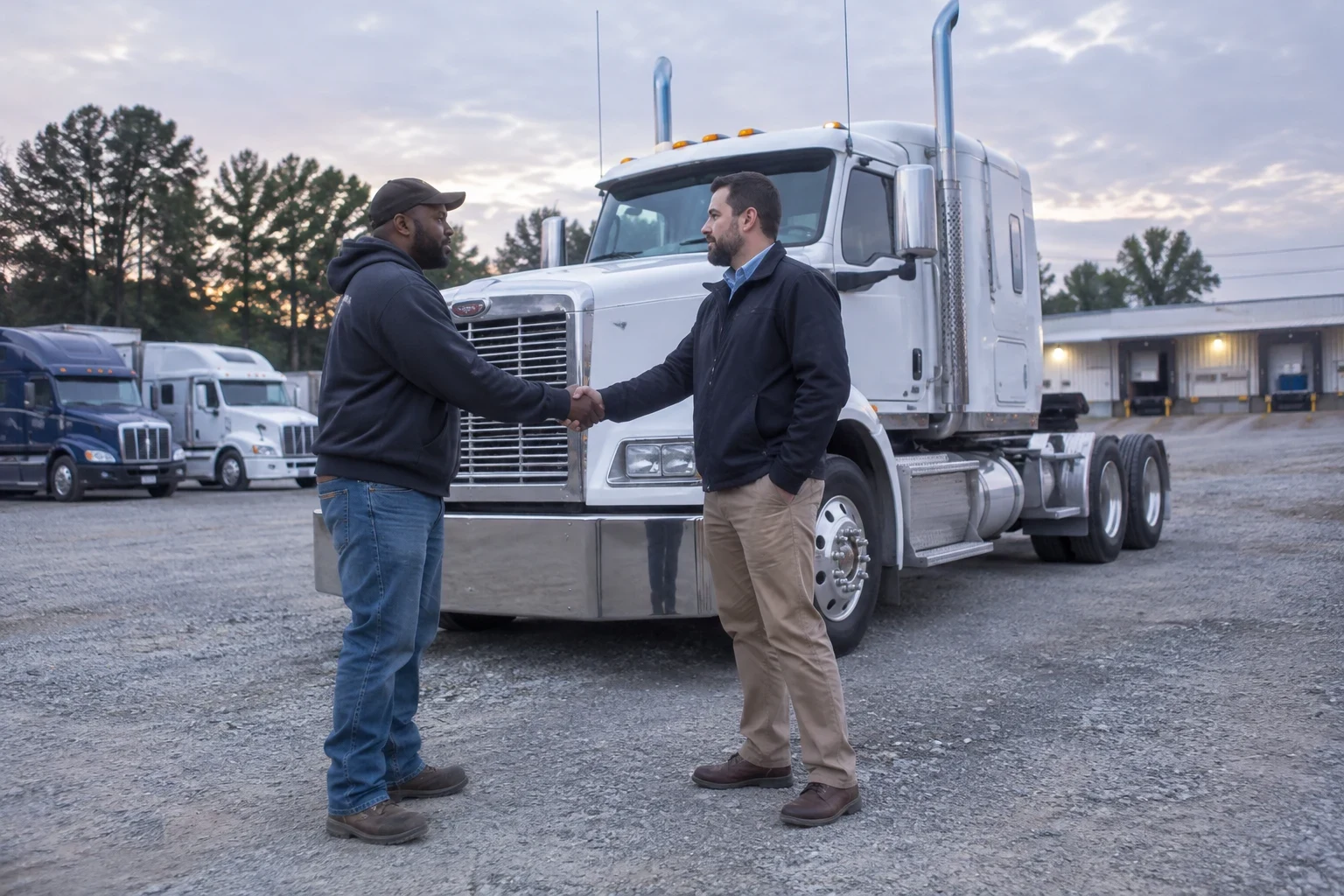
Get a Trucking Quote That Explains Itself
Have your DOT number, driver list and equipment details close by. We will go over your coverage options, what drives the premium and what each policy leaves out.