ServicesPhysical Damage Insurance
Physical Damage Insurance in Lithia Springs
Liability pays for the other driver. Physical damage insurance pays for your truck and trailer after a crash, fire, theft or storm. We set the stated value, deductible and loss payee with you, so a claim pays what you expect.
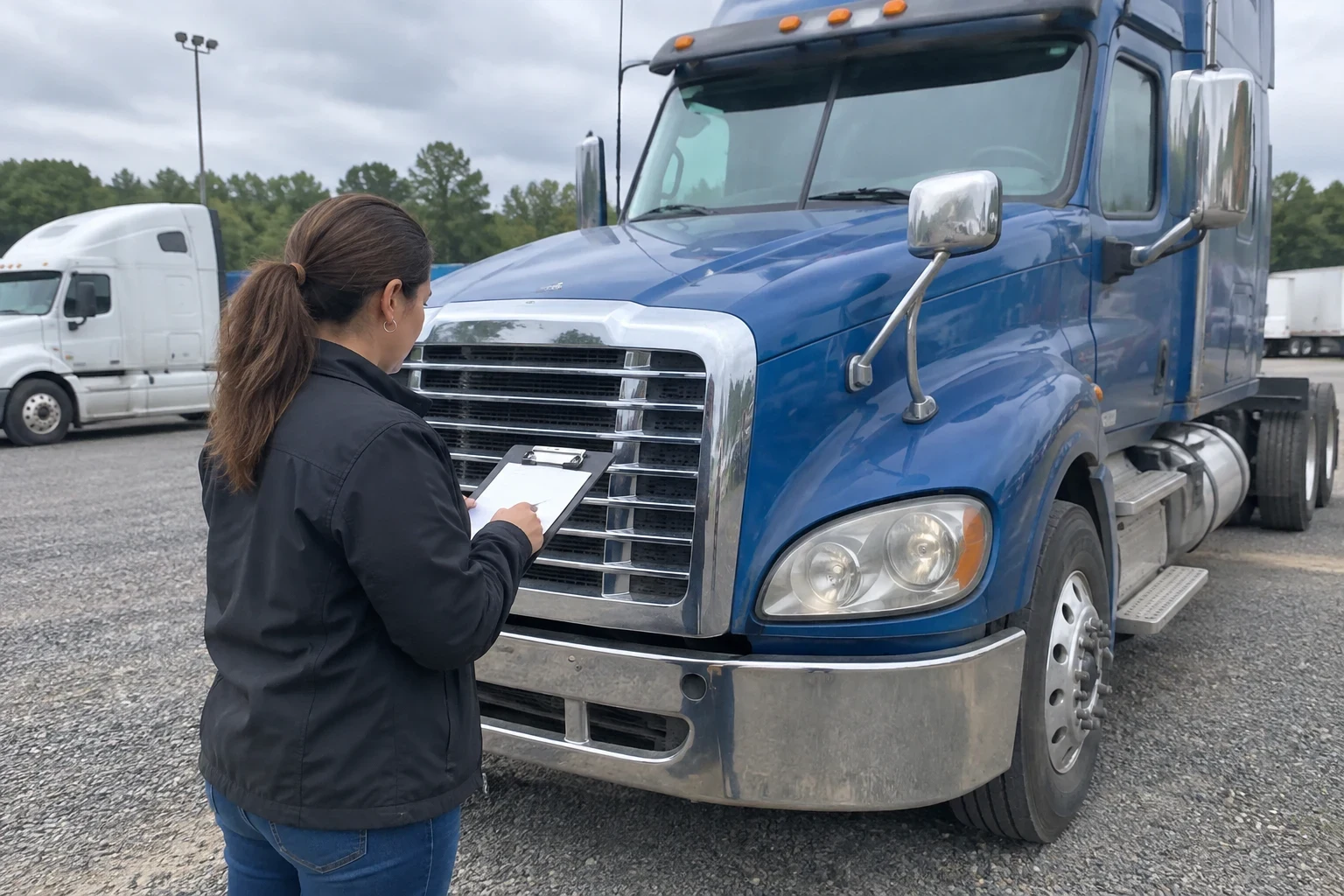
What physical damage insurance covers, and why it matters
Physical damage coverage has two parts. Collision pays when your truck hits another vehicle, a dock, a guardrail or rolls over. Comprehensive pays for losses that are not a collision: fire, theft, vandalism, hail, falling trees, flood and hitting a deer. Your primary auto liability policy pays none of this, because it only covers damage you do to others.
Most truck policies are written on a stated amount. You declare what the tractor or trailer is worth, and the premium is rated on that number. Many forms pay the lower of the stated amount or the actual cash value at the time of loss, so an inflated value raises your premium without raising your payout. A value set too low leaves you short when the truck is totaled.
If your truck is financed or leased, the lender almost always requires this coverage and must be listed as loss payee. Without it, a single wreck can leave you owing on a truck you no longer have.
What a physical damage policy can include
Collision coverage
Pays to repair or replace your truck after impact with another vehicle or object, or an overturn, regardless of fault. Your deductible comes off the claim first.
Comprehensive or specified perils
Comprehensive covers a broad list of non-collision losses. Specified perils is a narrower, lower-cost form that names each covered cause, such as fire, theft and windstorm. We show you which causes each form leaves out.
Trailer physical damage
Your own trailer can be scheduled on the same policy with its own stated value and deductible. Trailers you pull under an interchange agreement need separate trailer interchange insurance.
Towing and storage
A heavy tow and yard storage after a wreck add up quickly. Some policies include a towing limit and others add it by endorsement, so we check the limit against what a loaded tractor tow really costs.
Permanently attached equipment
Sleepers, APUs, chrome packages, liftgates and dump bodies may need to be listed so they are not left out of the settlement. Equipment that is not scheduled can be capped or excluded.
Loss payee setup
We list your lender or lessor correctly and send them proof of coverage, so claim checks are issued properly and your financing stays in good standing.
Signs your truck needs physical damage coverage or a review
You financed or leased the truck
Your loan or lease agreement requires it. Lenders can force-place their own coverage at a much higher cost if proof lapses.
You are leased on to a carrier
The motor carrier's policy covers liability under its authority. It usually does not pay to fix your truck, so owner-operators need their own physical damage policy.
Your stated value is a few years old
Used truck prices move. If the value on your policy no longer matches the market, you are either overpaying or underinsured.
You added equipment
A new APU, sleeper upgrade or body on a straight truck changes the replacement cost. It should be on the policy.
Your deductible no longer fits your cash
A high deductible lowers the premium, but only works if you can pay it the week your truck is in the shop and not earning.
How we set up your coverage
- 1
A phone or video call
We ask about each unit: VIN, year, make, model, what you paid, any lienholder and the equipment on it. We also ask about drivers, radius of operation and where the trucks are parked.
- 2
We set the right value
We compare your stated value against what similar trucks sell for, so the number holds up at claim time. We flag anything that should be scheduled separately.
- 3
Options side by side
We price the deductible levels and coverage forms that fit your operation and explain the tradeoff in each. You see what is excluded before you choose.
- 4
Bind and send proof
Once you decide, we bind the policy, list your loss payee and send the certificate of insurance to your lender, lessor or carrier.
What moves the price of physical damage insurance
Physical damage premium is rated mostly on what the insurer could pay out on your truck. The bigger the possible check and the more likely a claim, the higher the cost. Here is what we look at when we build your quote.
- Stated value
- The premium is figured as a rate on the declared value. A newer tractor or a loaded dump truck costs more to cover than an older day cab.
- Deductible
- Raising the deductible lowers the premium. We show the difference at each level so you can judge whether the savings are worth the out-of-pocket risk.
- Driver records and experience
- CDL years, violations and prior accidents drive the collision rate. New drivers and recent at-fault crashes raise it.
- Type of operation and radius
- Construction sites, long-haul miles and heavy metro traffic carry different collision and theft exposure. Where your trucks are garaged overnight also matters, since parking and storm exposure feed into comprehensive rates.
- Loss history
- Prior physical damage claims on your trucks or your MC authority tell insurers what to expect next. A clean history usually opens more options.
Physical damage insurance questions
Something not covered here? (770) 763-7523
Is physical damage required by law?
No. Federal and Georgia filings require liability, not physical damage. It becomes required when a lender, lessor or the carrier you are leased to writes it into your contract, which is the case for most financed trucks.
Does it cover mechanical breakdown or a blown engine?
No. Wear and tear, mechanical failure, tire damage on its own and rust are excluded on standard forms. If the engine is damaged because of a crash or fire, that part of the loss is covered.
Will it pay for hail damage?
Yes, if you carry comprehensive or a specified perils form that lists hail. Georgia's spring and summer storms make this worth checking. Collision alone will not pay for hail.
Should I insure my truck for what I owe on it?
Insure it for what it is worth, not the loan balance. If you owe more than the truck's actual cash value, a total loss can leave a gap. We can talk through that gap on the call.
Can I cover my trailer on the same policy?
Yes, owned trailers can be scheduled with their own value and deductible. Non-owned trailers you pull under an interchange agreement need trailer interchange insurance instead.
Find out what your truck is really covered for
Have your VIN, purchase price and lender information handy. We will set a stated value that holds up, explain each deductible option and send proof to whoever needs it.