ServicesOwner-Operator Insurance
Owner-Operator Truck Insurance in Lithia Springs
Your coverage depends on one question: are you leased onto a carrier or running under your own MC authority? We sort that out first, then quote the pieces you need, explain what each one pays for and show what is driving your premium.
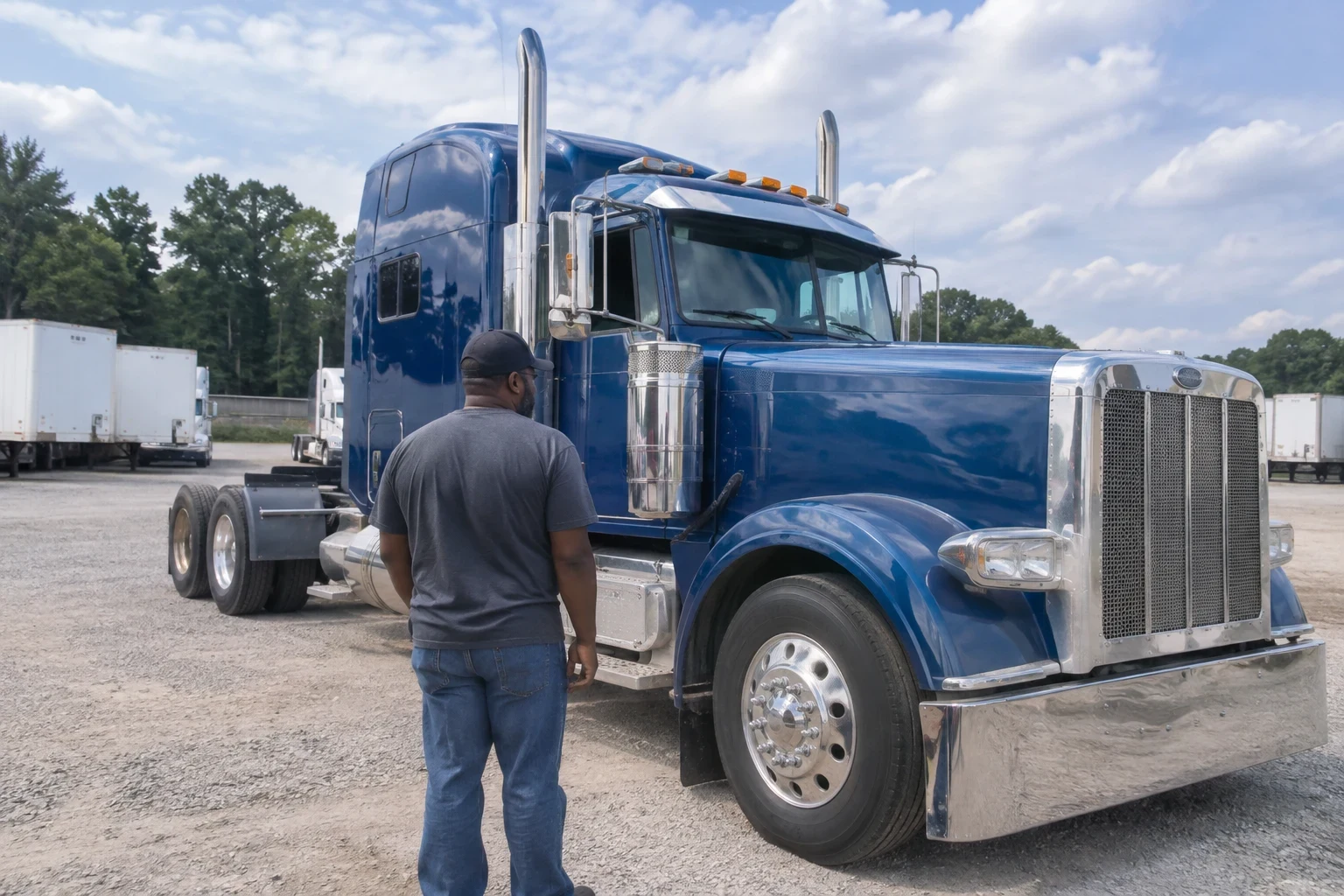
Two Setups, Two Different Policies
If you are leased onto a motor carrier, the carrier usually holds primary auto liability under its authority while you are under dispatch. Your lease agreement spells out the rest. Most leases require you to carry non-trucking liability (bobtail) for personal use and physical damage on your own tractor, and some push cargo or trailer coverage onto you as well. We read the insurance section of the lease with you so you buy what it asks for and nothing it already covers.
If you run your own authority, you are the motor carrier. That means primary auto liability with the federal filing tied to your DOT number, plus cargo coverage most brokers and shippers will require before they tender a load. Physical damage protects the truck itself, and trailer interchange comes in when you pull trailers you do not own.
Straight answer on the difference: leased drivers fill the gaps around the carrier's policy, while independent operators build the whole policy themselves. Getting that wrong is the most common reason owner-operators end up either uninsured on a claim or paying twice for the same coverage.
What an Owner-Operator Policy Can Include
Primary auto liability
Pays for injuries and property damage you cause to others while operating under your own authority. We handle the BMC-91X filing with the FMCSA so your MC authority can go active or stay active.
Non-trucking liability (bobtail)
For leased drivers, this covers liability when you are driving the tractor outside of dispatch, such as a run to the shop or home after a load. It does not apply while you are hauling for the carrier.
Physical damage
Covers collision, fire, theft and similar loss to your tractor and, if listed, your trailer. The payout is based on the stated value you set, less your deductible, so we help you set a number that matches what the truck is worth.
Motor truck cargo
Pays for the freight in your care if it is damaged or lost. Limits and exclusions matter here, since many cargo forms exclude certain commodities or unattended trucks, and we flag those before you bind.
Trailer interchange
Needed when you pull a trailer owned by someone else under a written interchange agreement. It covers damage to that trailer while it is in your possession.
Certificates of insurance
Brokers, shippers and carriers will ask for proof of coverage. We issue certificates of insurance with the right holder and limits listed so a load is not held up over paperwork.
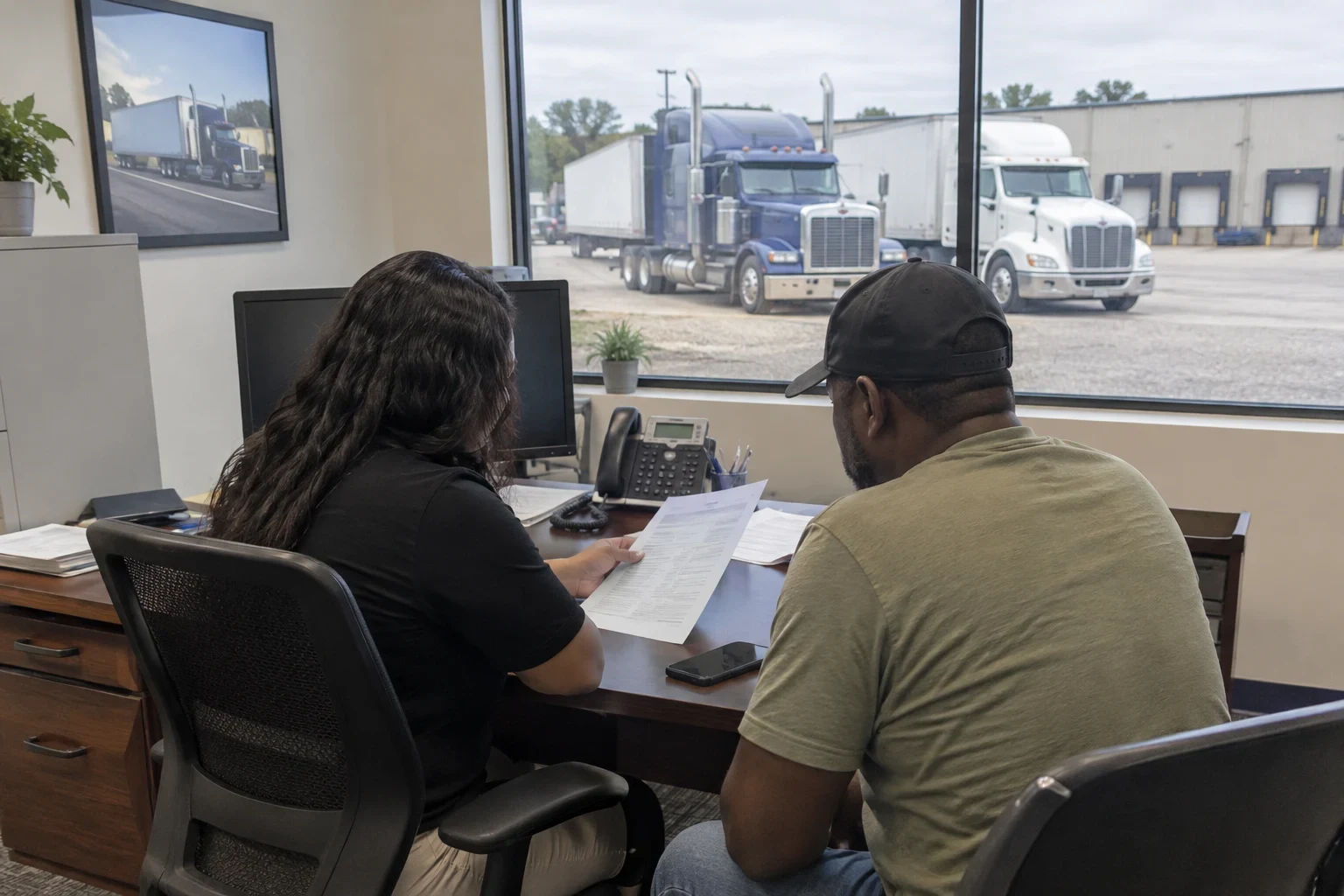
Signs Your Current Coverage Needs a Second Look
- You are switching from leased to your own MC
- Your bobtail policy does not become primary liability. You need a new policy and a federal filing before your authority goes active.
- Your lease changed carriers
- Each carrier's lease assigns coverage differently. A new lease can shift cargo or physical damage onto you without much notice.
- A broker rejected your certificate
- That usually means a cargo limit is too low, a commodity is excluded or the certificate holder is wrong. It is fixable, but it should be fixed before the next load.
- Your truck's value has changed
- If you paid off a newer tractor or rebuilt an engine, the stated value on your physical damage may no longer match. Too low and a total loss leaves you short; too high and you pay premium you cannot collect.
- You started pulling different freight
- Moving from dry van to reefer or flatbed changes cargo exposure. Spoilage from a reefer unit breakdown, for example, is often its own endorsement.
How We Quote Your Owner-Operator Policy
- 1
A call about how you run
We ask if you are leased or running independent, what you haul, how far you run and what trailer you pull. Ten minutes on the phone usually tells us which coverages apply.
- 2
Gather your documents
Have your CDL, DOT and MC numbers, the VINs and values for your equipment, your lease agreement if leased, and any prior loss runs. We can go over them at our office or by phone and video.
- 3
Options laid out side by side
We show each coverage, its limit and deductible, and what it costs on its own. You see where a higher deductible or a different cargo limit changes the premium, so you decide with the numbers in front of you.
- 4
Bind, file and issue proof
Once you choose, we bind the policy, handle any required federal filings and send certificates of insurance to the carrier, broker or shipper who needs them.
What Moves an Owner-Operator Premium
Underwriters price you on how likely a claim is and how big it could be. A few factors carry most of the weight, and some of them you can change. We show you which ones apply to your quote.
- Driving record and CDL experience
- Violations, accidents and years holding a CDL are usually the biggest single factor. Many markets look hard at drivers with under two years of commercial experience.
- Leased versus own authority
- Bobtail plus physical damage on a lease costs far less than a full primary liability and cargo package. New authorities also price higher until they build a loss history.
- Radius and lanes
- Long-haul and multi-state runs carry more exposure than regional work. A tractor garaged near the I-20 corridor and running local freight rates differently than one running coast to coast.
- Equipment value and deductibles
- Physical damage premium follows stated value. Raising your deductible lowers it, as long as you can cover that deductible after a loss.
- What you haul
- Commodity drives cargo pricing. Electronics, food under refrigeration and high-theft loads cost more to insure than lumber or general dry freight.
Owner-Operator Insurance Questions
- I am leased on. Doesn't my carrier's insurance cover me?
- It covers primary liability while you are under dispatch for that carrier. It usually does not cover your truck's physical damage or your liability when you drive off-dispatch. Your lease agreement tells you exactly what you are responsible for, and we will read it with you.
- What is the difference between bobtail and non-trucking liability?
- The terms are often used interchangeably, but true bobtail can cover driving with no trailer even while under dispatch, while non-trucking liability covers any personal use regardless of trailer. Many carriers specify one or the other in the lease. We match the form to what your lease requires.
- Does non-trucking liability cover deadhead miles?
- Usually not if you are heading to pick up a load for the carrier, since you are considered under dispatch. That is the carrier's primary policy. It applies when you are using the truck for your own purposes.
- How long does it take to get my authority active?
- Once the policy is bound, we file the liability form with the FMCSA for you. The agency then processes it on its own timeline before your authority shows active. Calling us before your application's waiting period ends keeps you from losing time.
- Can I keep my policy if I go from leased to my own authority?
- Your physical damage coverage can often carry over. Your bobtail policy cannot, because you now need primary liability and usually cargo. We can quote the new package while your lease is still in place so there is no gap.
Know What You Are Paying For
Tell us how you run your truck and we will tell you which coverages fit and what is moving the price. We work with owner-operators across Lithia Springs, Douglasville, Austell and the surrounding area.