ServicesBox Truck Insurance
Box Truck Insurance in Lithia Springs
We insure straight trucks doing final-mile delivery, furniture and appliance runs, LTL freight and contract routes. We explain which coverages your contracts and filings actually require, what each one pays for, and what drives your premium, so you buy what the work needs.
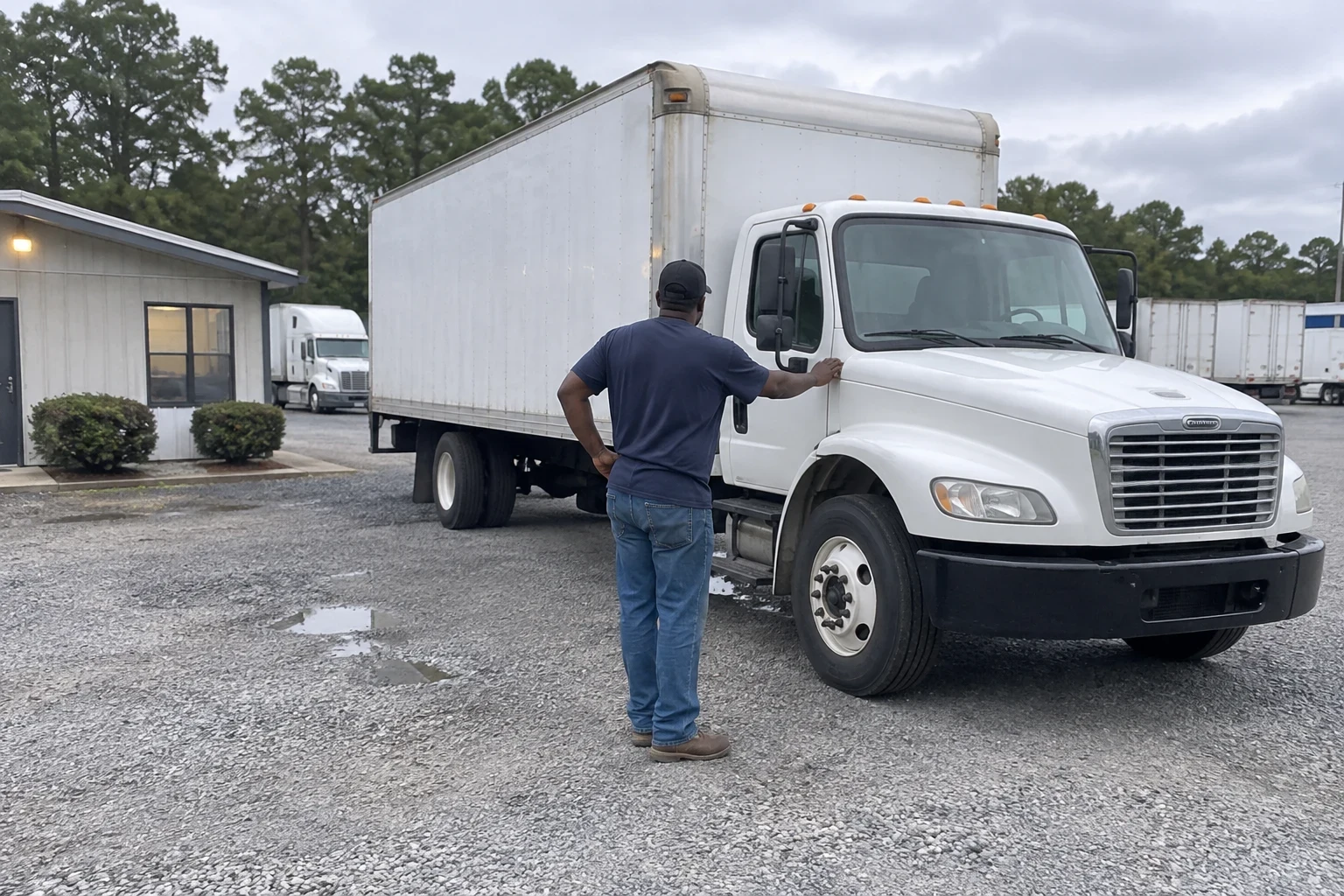
What box truck insurance covers and who needs it
A box truck policy is a commercial auto policy built around a straight truck: the cab and cargo box sit on one frame, with no detachable trailer. Most are 16 to 26 feet long, and the GVWR on the door jamb sticker decides a lot. At 10,001 pounds and up, a for-hire truck crossing state lines needs a USDOT number and, in most cases, MC authority with federal liability filings. At 26,001 pounds and up, the driver needs a CDL, and some insurers rate those trucks differently.
The right policy depends on how you run. A truck leased onto a carrier's authority needs different coverage than one running under its own MC number. A load board operator hauling general freight needs different cargo coverage than a mover carrying furniture and personal belongings for paying customers. We start by asking who you haul for, what is in the box and where it goes, then match the coverage to that.
Coverages we quote for box trucks
- Primary auto liability
- Pays for injuries and property damage your truck causes to others. It is the coverage tied to your federal or state filings, and many shippers and brokers ask for a higher limit than the legal minimum. We tell you which number your contracts require.
- Motor truck cargo
- Covers the freight inside the box if it is damaged or stolen while in your care. We read the exclusions with you, because unattended-vehicle theft, refrigeration breakdown and certain commodities like electronics are where cargo claims most often get denied.
- Physical damage
- Collision and comprehensive for the truck itself, including the box, and the liftgate if it is listed. If the truck is financed, your lender will usually require it and want to be named as loss payee.
- Non-trucking liability
- For owner-operators leased to a carrier, this covers personal use of the truck when it is off dispatch. It does not apply while you are hauling under the carrier's authority, and we explain where that line sits.
- Certificates and filings
- We issue certificates of insurance to brokers and shippers and handle the liability filings tied to your DOT number, so your authority stays active and your loads are not held up waiting on paperwork.
Signs your box truck coverage needs a second look
A broker rejected your certificate
Load boards and shippers often require specific cargo or liability limits. If your certificate is getting turned down, the policy may be below what the freight you want calls for.
You moved from leased-on to your own authority
Once you run under your own MC number, the carrier's liability no longer covers you. You need your own primary liability and filings before the first load.
You added a reefer unit or a liftgate
Refrigerated freight needs cargo coverage that addresses reefer breakdown. A liftgate is equipment that should be listed on the physical damage schedule, or it may not be covered.
Your routes changed
Going from local runs around the metro to regional work along I-20 changes your radius, and radius is one of the main rating factors. A policy written for local work can leave a gap on longer runs.
Renewal went up and nobody explained why
Premium changes have causes: a claim, a new driver, a different commodity, or a market change. You should know which one applies to you.
How quoting a box truck works
- 1
A phone conversation about your operation
We ask for your DOT and MC numbers if you have them, the truck's year, make and GVWR, driver details, what you haul and how far. Most of this takes one call.
- 2
We check what your contracts require
If you work with Amazon Relay, a furniture retailer, a freight broker or a final-mile network, we look at their insurance requirements so the quote meets them on the first try.
- 3
Options laid out line by line
You see liability, cargo, physical damage and any add-ons as separate lines with their limits and deductibles. We explain what changes if you raise a deductible or drop a coverage, and what that would leave exposed.
- 4
Binding, filings and certificates
Once you choose on the call, we bind the policy, take care of the filings your authority needs and send certificates of insurance to the brokers or shippers you name.
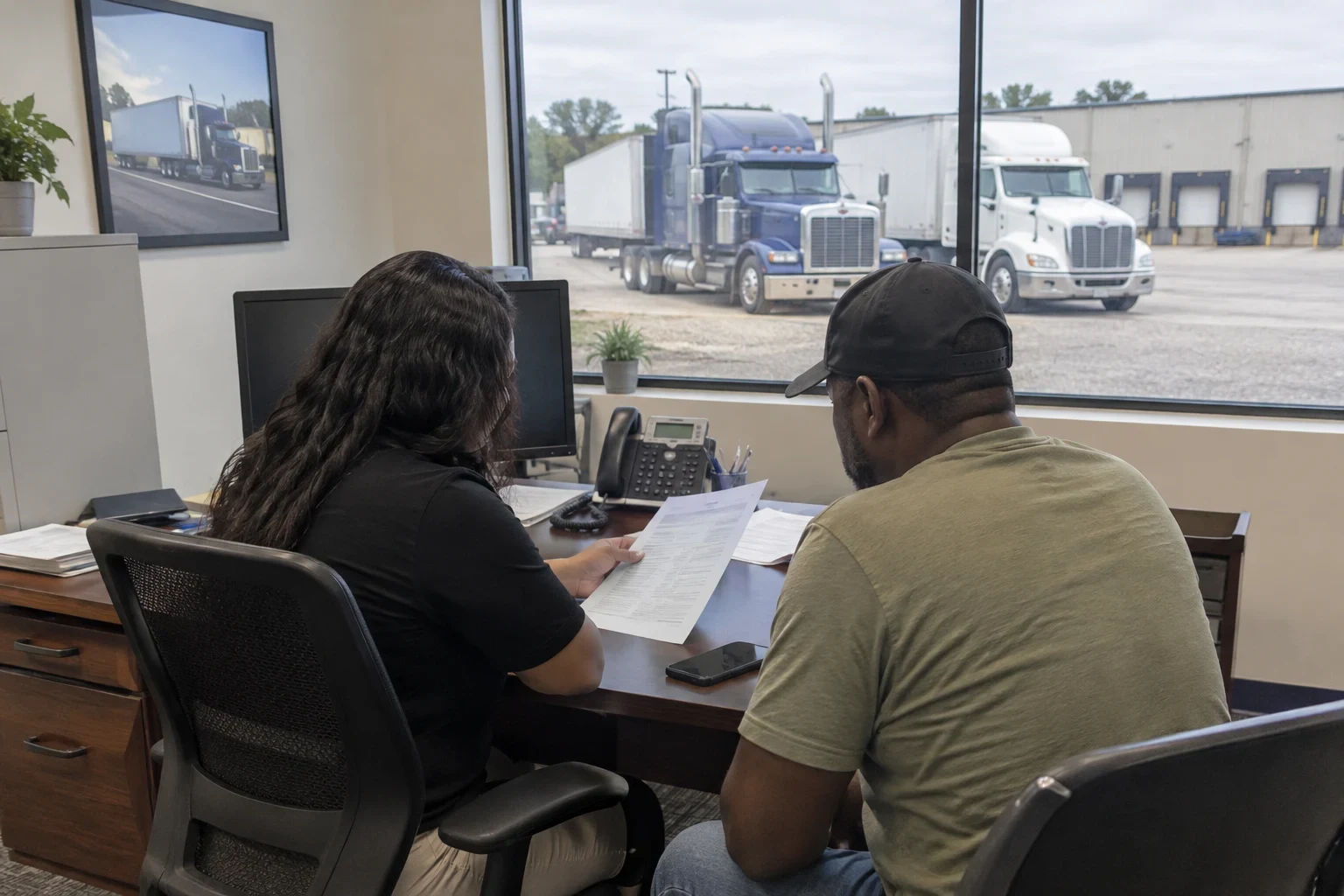
What drives the premium on a box truck
Box truck premiums are rated on the risk the truck carries, not just its size. Two identical 26-foot trucks can be priced far apart because of who drives them and what they haul. These are the factors that move the number most.
- Driver history and experience
- Moving violations, at-fault accidents and years of commercial driving experience weigh heavily. A new driver with no commercial history usually costs more to insure than one with a clean multi-year record.
- Commodity in the box
- General dry freight rates lower than electronics, furniture on moving jobs or refrigerated food, because theft, breakage and spoilage claims cost more on those loads.
- Radius and garaging
- Local delivery within a short radius rates differently from regional or interstate work. Where the truck is parked overnight also matters, since theft and traffic density vary by area.
- Authority age and loss history
- A newly issued MC number has no track record, so insurers price it cautiously. Clean years of loss runs bring that down over time.
- Limits, deductibles and truck value
- Higher liability and cargo limits raise the premium. Physical damage cost follows the truck's stated value and the deductible you choose.
Box truck insurance questions
Something not covered here? (770) 763-7523
Do I need a DOT number for my box truck?
If the truck's GVWR is 10,001 pounds or more and you haul for hire across state lines, yes. Many intrastate operations need one too, depending on state rules. We can go over your setup on the phone and tell you which registrations and filings apply.
Does my personal auto policy cover a box truck I use for deliveries?
No. Personal auto policies exclude vehicles used commercially to haul goods for pay. A box truck doing delivery or freight work needs a commercial policy, and brokers will ask for a commercial certificate before tendering loads.
Why was my cargo claim denied before?
The most common reasons are exclusions for theft from an unattended truck, missing locks or alarms the policy required, an excluded commodity, or refrigeration breakdown that was not covered. We walk through those conditions before you buy so you know what the policy expects from you.
Can I insure a box truck I just bought for a new business?
Yes. New ventures can be quoted, though the premium reflects the lack of history. Our New Authority Truck Insurance page explains the filing steps, and we handle the liability filings once the policy is bound.
I run three box trucks. Should they be on one policy?
Usually, yes. Scheduling them together keeps filings and certificates in one place and can simplify renewals. If you are growing past a few units, our Fleet Truck Insurance page covers how larger schedules are rated.
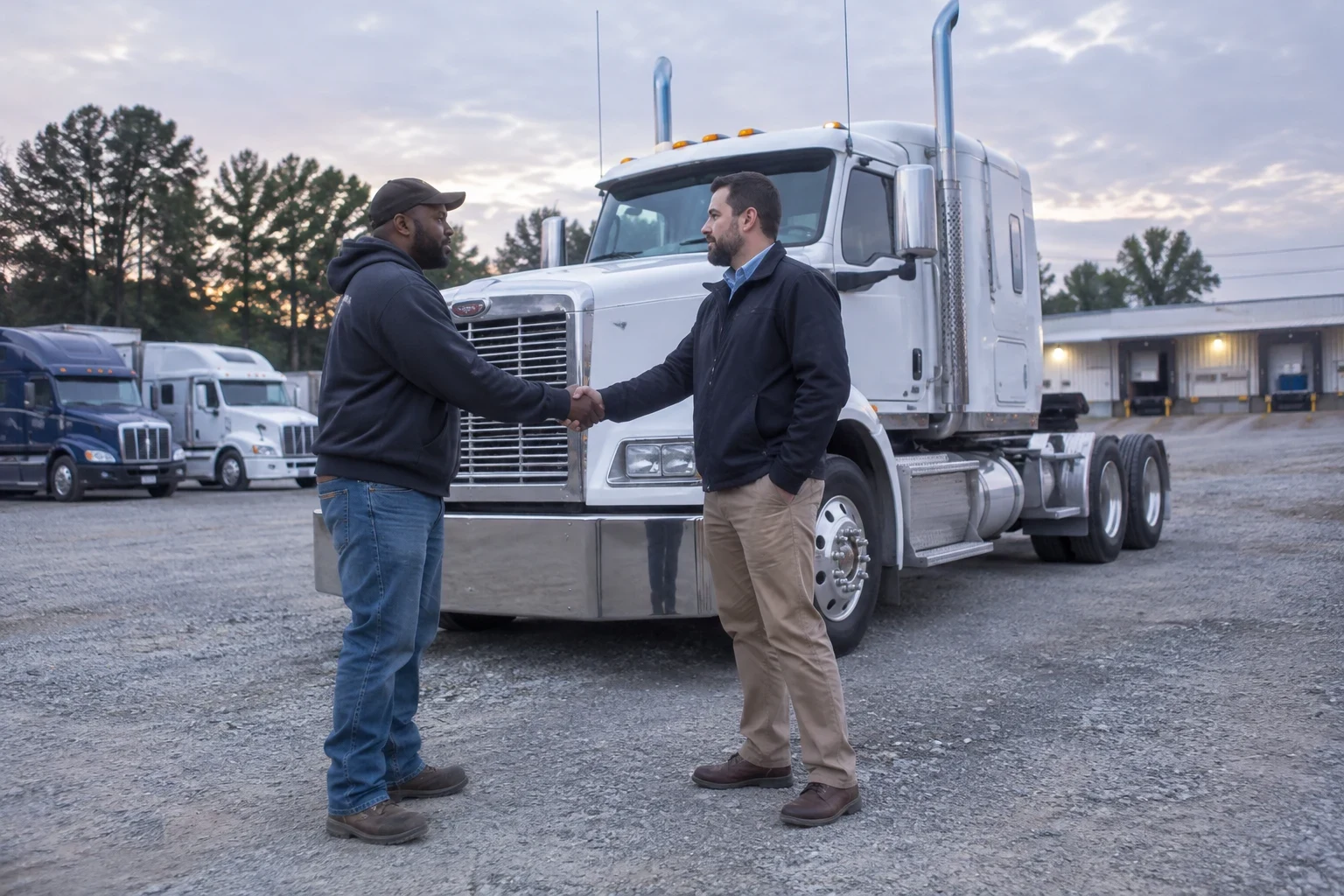
Get box truck coverage that fits the loads you run
Have your DOT number, truck details and the contract requirements from your brokers or shippers handy. We will go through the options and the cost drivers on one call.