What Does Property Damage Liability Cover for a Truck in Lithia Springs?
The short version for owner-operators and motor carriers: it pays for what your truck breaks that belongs to someone else, and nothing that belongs to you.
What does property damage liability coverage cover?
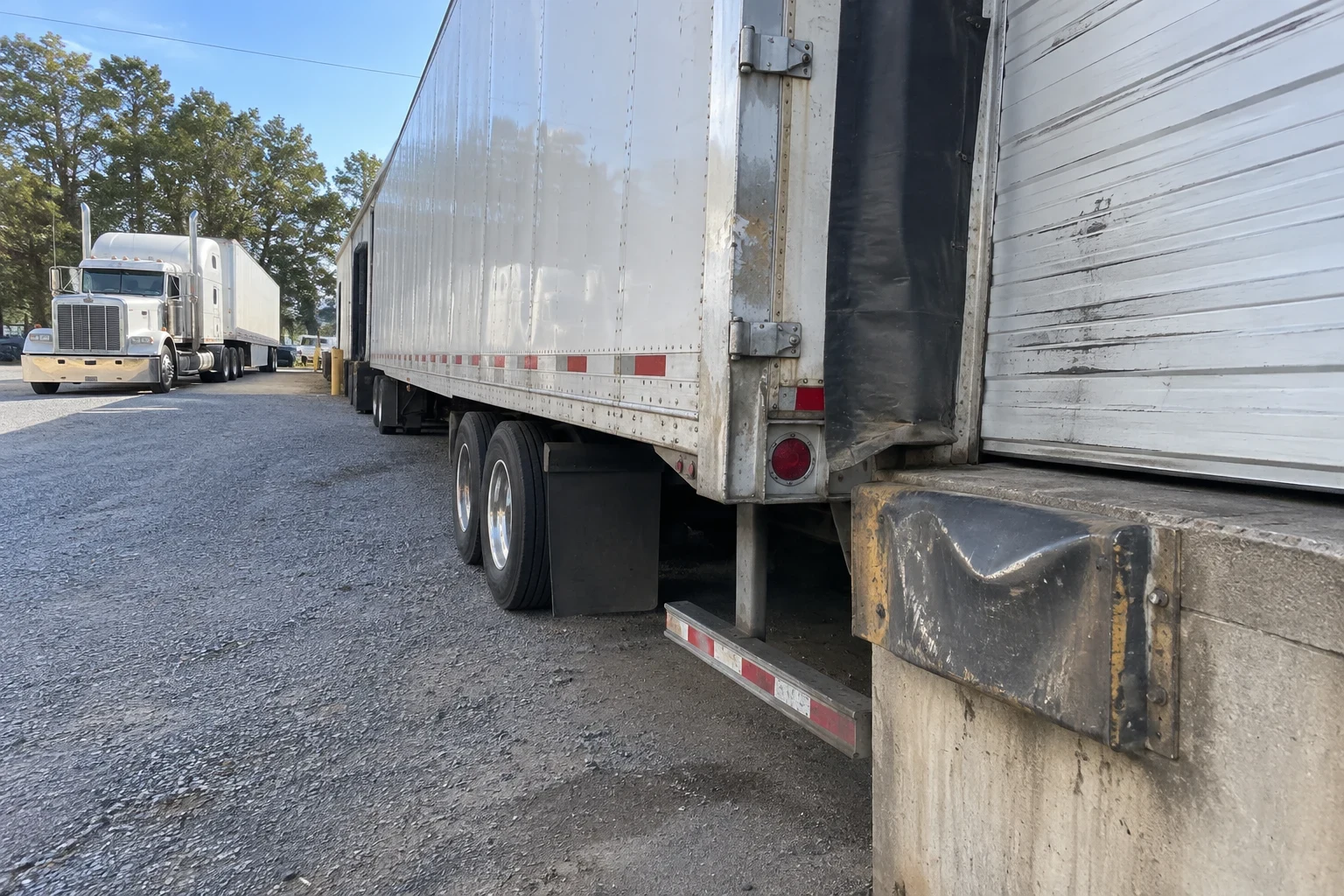
Property damage liability pays for damage your truck causes to property you don't own: other vehicles, guardrails, signs, utility poles, fences, buildings and loading docks, plus legal defense if you're sued. In trucking it sits inside your primary auto liability policy. It does not pay to fix your own truck or the freight you haul.
What counts as property damage in a trucking claim
Property damage liability is the half of primary auto liability that deals with things, not people. Bodily injury covers medical bills and lost wages for others. Property damage covers the physical loss to someone else's property when you are legally responsible for the accident.
A loaded tractor-trailer carries far more momentum than a passenger car, so even a low-speed mistake does real damage. A trailer swinging wide on a tight turn can take out a light pole. A misjudged backing angle at a warehouse can crack a dock leveler or punch through a roll-up door. Those are the claims this coverage exists for.
- Other vehicles, including the repair cost and often the owner's loss of use while it sits in the shop
- Guardrails, highway signs, traffic signals and bridge components owned by a state or county
- Utility poles, fencing, landscaping and mailboxes along the road
- Buildings, overhead doors, canopies and loading docks at a shipper or receiver
- Your legal defense costs if the property owner sues, handled by the insurer
What property damage liability does not pay for
This is where most coverage surprises come from. Liability only pays third parties. Anything you own, haul or have borrowed is a separate coverage, and if you don't carry it, nobody pays.
Your own tractor and trailer fall under physical damage insurance. The freight in the box falls under motor truck cargo insurance. A trailer you pull under an interchange agreement but don't own needs trailer interchange insurance. And if you are leased to a motor carrier and driving off dispatch, the carrier's liability usually stops applying, which is the gap non-trucking liability (bobtail) insurance fills.
- Damage to your own truck or trailer
- Cargo you are hauling for a shipper
- A non-owned trailer in your possession under an interchange agreement
- Property in your care, custody or control, such as a customer's equipment you are moving
- Damage you cause on purpose
How limits and filings work for property damage
Most trucking policies write liability as a combined single limit. That means one dollar amount covers bodily injury and property damage together for a single accident, rather than separate buckets for each. A bad multi-vehicle pileup can draw down that one limit fast, which is why limit choice matters more than it looks.
The FMCSA sets federal minimum liability limits for interstate carriers based on what you haul, and your insurer proves you carry it through a filing tied to your DOT number and MC authority. Carriers running only inside Georgia file with the state instead. Many brokers and shippers ask for limits above the federal minimum before they will tender a load, so the right number depends on who you haul for, not just what the law requires.
Federal filings also carry the MCS-90 endorsement. It lets the insurer pay a member of the public after an accident even in some cases where the policy would not otherwise respond, then seek repayment from you. It protects the public, not your operation, so it is no substitute for proper coverage.
What moves the premium for liability coverage
Property damage and bodily injury are priced together in your primary auto liability premium. The insurer is estimating how often your trucks might hit something and how expensive that something is likely to be. Running the I-20 corridor and into crowded distribution yards puts you near a lot of costly property, and underwriters weigh where and how you operate.
Here is what we see change the number most often:
- Driver MVRs and years of commercial driving experience
- How long your MC authority has been active
- Radius of operation and the routes you run
- Commodity hauled and the type of equipment
- Your loss history and any open claims
- The combined single limit you choose and any deductible
More questions about property damage liability
- If I back into a dock at a warehouse, is that covered?
- Yes, damage to the dock, door or building at a shipper or receiver is a classic property damage liability claim. Damage to your own trailer from the same impact goes under physical damage coverage.
- Does property damage liability cover a rental or leased truck I drive?
- It covers damage you cause to other people's property while operating the truck, as long as the truck is listed or qualifies under the policy. Damage to the leased truck itself needs physical damage coverage, and many lease agreements spell out who must carry it.
- Will a property damage claim raise my premium?
- It can. Insurers look at both how often you have claims and how large they were, so one at-fault accident usually shows up at renewal.
- Do I need a certificate of insurance showing this coverage?
- Brokers, shippers and some yards will ask for a certificate of insurance listing your auto liability limit before you run their loads. We can explain what the certificate shows and how to get one issued.
Find out if your liability limit fits the loads you run
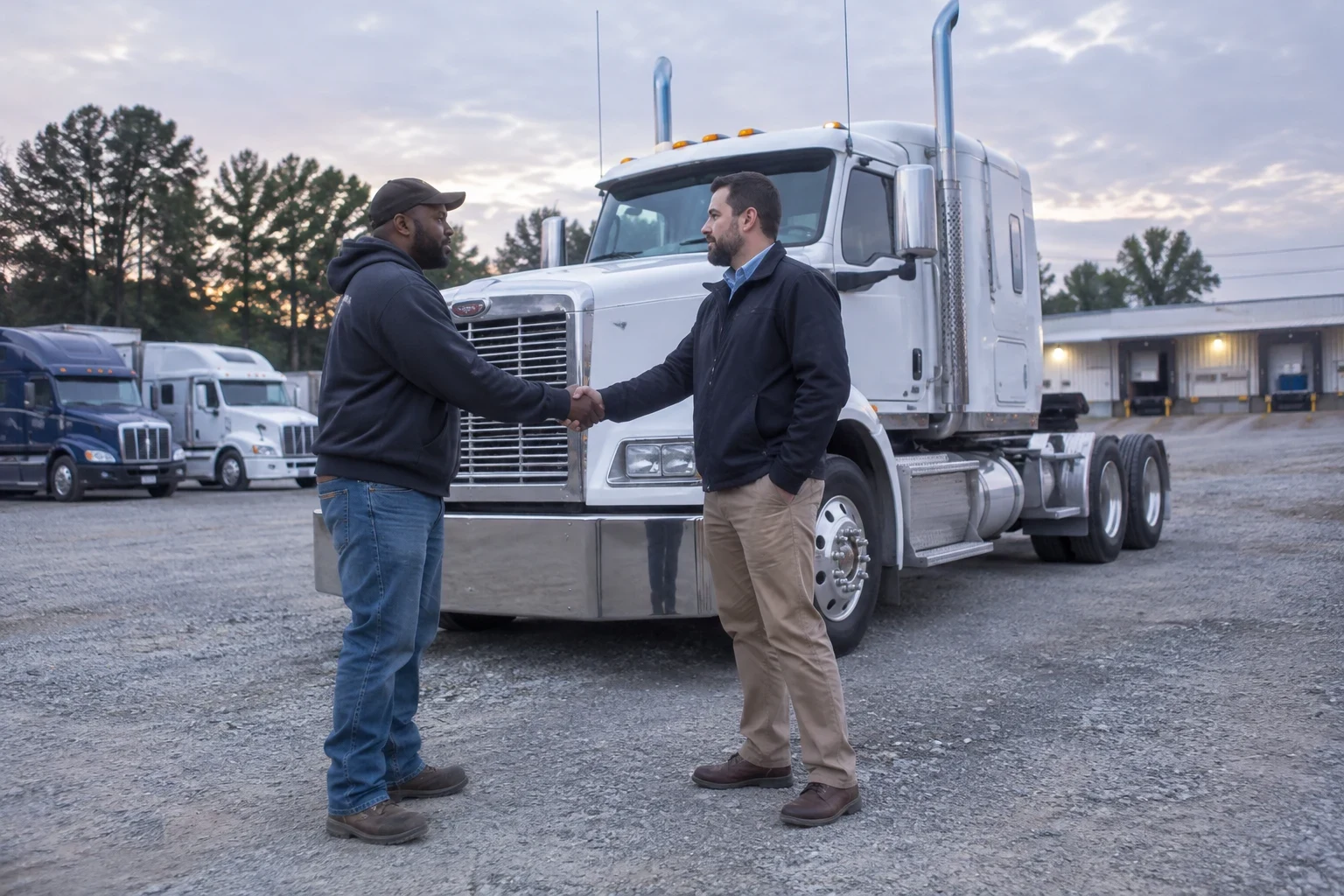
On a call we go over how you operate, who you haul for and what limits they require, then explain where property damage liability stops and which other coverages close the gaps. You get your quote by phone and straight answers about what drives it.